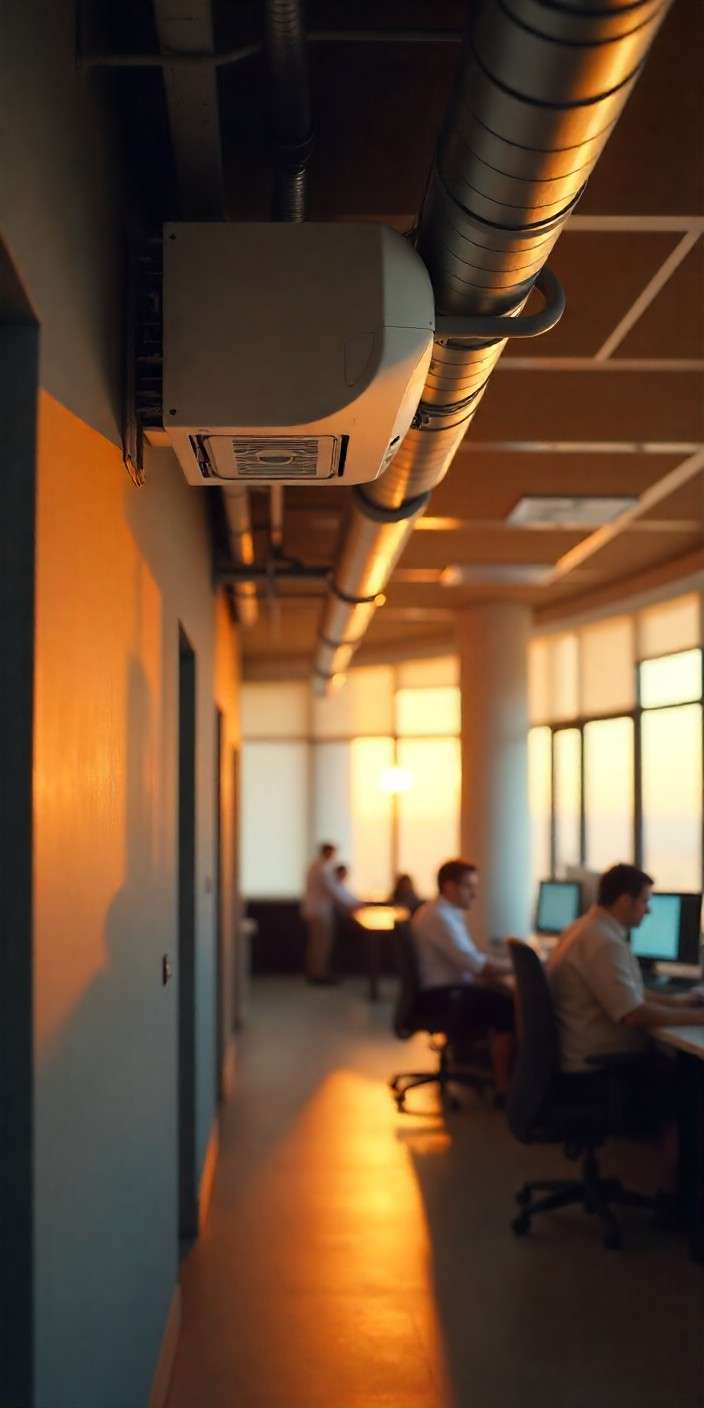
When it comes to commercial HVAC (Heating, Ventilation, and Air Conditioning) systems, the stakes are high. Unlike residential systems, commercial HVAC installations must cater to a diverse range of needs, from large office buildings to industrial facilities and retail spaces. The complexity and scale of these systems mean that both design and installation come with a unique set of challenges. Here’s a deep dive into some of the most common hurdles faced by professionals in the field and strategies for overcoming them.

1. Load Calculation Complexity
Accurate load calculations are crucial for designing an effective HVAC system. In commercial settings, the diversity of spaces—ranging from open-plan offices to server rooms and conference areas—complicates this process. Load calculations must account for factors like internal heat gains from equipment, occupancy levels, and varying usage patterns.
Solution: Employ advanced software tools that can simulate different scenarios and generate precise load calculations. Additionally, collaborate with stakeholders to understand the specific needs of different areas within the building. Continuous monitoring and adjustment of these calculations can help ensure the system remains efficient as conditions change.
2. Space Constraints
Commercial buildings often present challenging space constraints. HVAC equipment must be installed in tight mechanical rooms or integrated into spaces with limited access. This makes the design process intricate as there’s a need to balance system efficiency with spatial limitations.
Solution: Opt for compact and modular HVAC systems that offer flexibility in installation. Ensure that the design includes adequate space for maintenance and future upgrades. Incorporating ductless systems or using ceiling-mounted units can also be advantageous in confined spaces.
3. Energy Efficiency and Sustainability
As sustainability becomes a top priority, there’s increasing pressure on commercial HVAC systems to meet stringent energy efficiency standards. The challenge lies in designing systems that not only comply with regulations but also achieve cost savings over the long term.
Solution: Implement energy-efficient technologies like variable refrigerant flow (VRF) systems, high-efficiency chillers, and smart thermostats. Consider integrating renewable energy sources such as solar panels to further reduce the carbon footprint. Regular maintenance and performance optimization are also key to ensuring ongoing efficiency.
4. System Integration and Controls
Modern commercial HVAC systems are often part of a larger building management system (BMS) that controls lighting, security, and other systems. Ensuring seamless integration between the HVAC system and the BMS can be complex, particularly when dealing with legacy systems or diverse technologies.
Solution: Choose HVAC equipment that is compatible with standard communication protocols like BACnet or Modbus. Work with a knowledgeable systems integrator who can ensure that all components of the BMS communicate effectively. Regular system checks and updates can help maintain integration and performance.
5. Indoor Air Quality (IAQ)
Maintaining good indoor air quality is a significant concern in commercial buildings. With large numbers of people and varying activities, ensuring proper ventilation, filtration, and air circulation can be challenging.
Solution: Incorporate high-quality air filters and consider advanced options such as UV-C lights to reduce microbial contamination. Implement a robust ventilation strategy that includes proper airflow management and air exchange rates. Regular IAQ assessments and adjustments based on occupancy patterns can help maintain a healthy environment.
6. Regulatory Compliance
Compliance with local building codes and regulations is a fundamental aspect of HVAC design and installation. However, navigating these regulations can be daunting, especially in regions with complex or frequently changing requirements.
Solution: Stay updated with the latest codes and standards relevant to your area. Engage with local authorities and industry professionals to ensure compliance. Using reputable software for code compliance checks can also streamline the process and minimize the risk of costly errors.
7. Budget Constraints
Balancing performance with budget constraints is a perennial challenge in commercial HVAC projects. High initial costs can be a barrier, yet it’s essential to invest in quality systems to avoid higher maintenance costs and inefficiencies in the long run.
Solution: Conduct a thorough cost-benefit analysis to identify systems that offer the best value for money. Explore financing options, rebates, and incentives that can offset upfront costs. Prioritize investments in energy-efficient technologies that offer long-term savings.
8. Maintenance and Longevity
Commercial HVAC systems are substantial investments, and their longevity is critical for maximizing ROI. However, ensuring that these systems are properly maintained to avoid premature failures is a significant challenge.
Solution: Develop a comprehensive maintenance plan that includes regular inspections, filter changes, and system calibrations. Implement predictive maintenance technologies that can identify potential issues before they become major problems. Training building staff and maintenance personnel on best practices can also contribute to system longevity.
MG Cooling Solutions
MG Cooling Solutions specializes in commercial HVAC systems, offering tailored solutions for businesses of all sizes. Our systems are designed to provide efficient heating, ventilation, and air conditioning, ensuring a comfortable and productive environment. With advanced technology and expert installation, we optimize energy use and reduce operational costs. Trust MG Cooling Solutions for reliable, high-performance commercial HVAC systems that enhance your building’s comfort and sustainability.
Wrapping Up
Commercial HVAC design and installation is a complex process fraught with challenges. From ensuring accurate load calculations and navigating space constraints to achieving energy efficiency and maintaining regulatory compliance, each step requires careful consideration and expert execution. By addressing these challenges with innovative solutions and proactive strategies, professionals can deliver HVAC systems that are efficient, reliable, and aligned with the needs of modern commercial spaces. Embracing advancements in technology and staying informed about industry trends will help overcome these hurdles and achieve successful HVAC outcomes.
Don’t Miss: The Future of Smart HVAC: Trends and Innovations