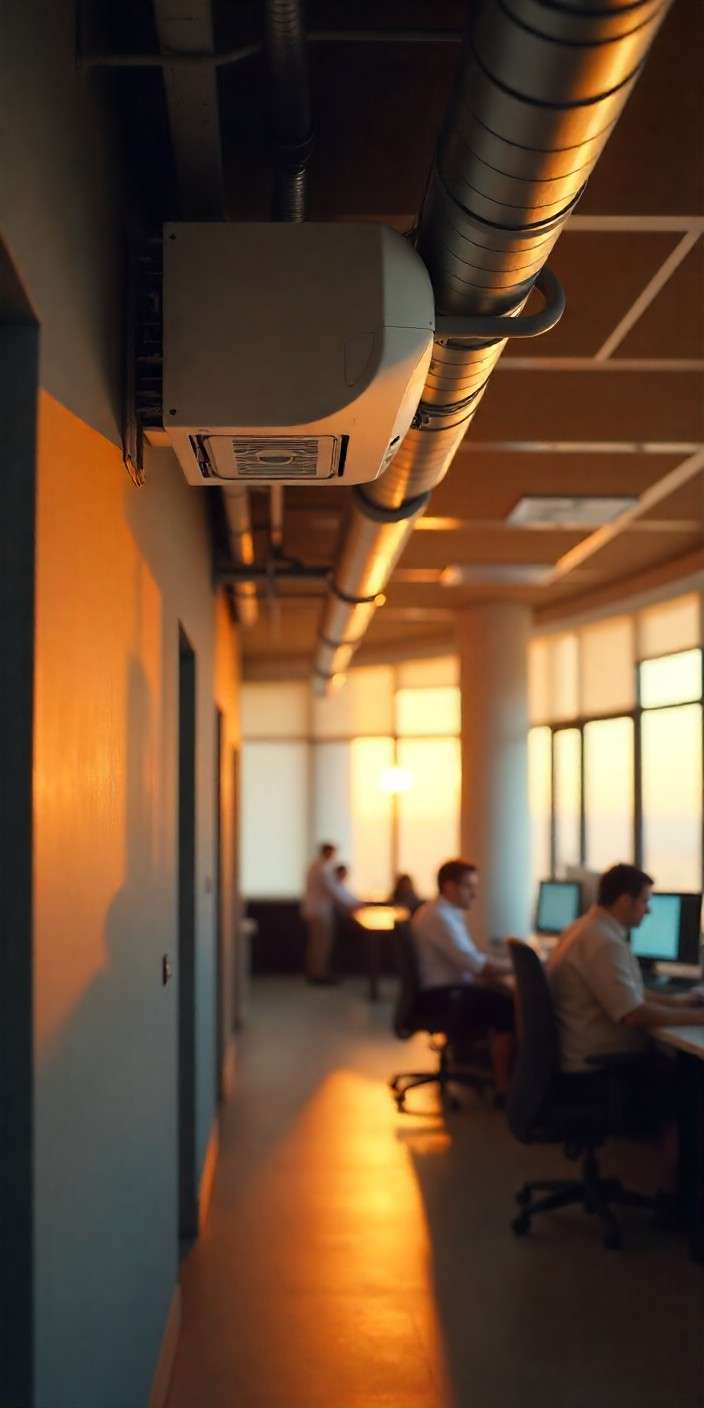
In the realm of modern building management, HVAC (Heating, Ventilation, and Air Conditioning) systems play a pivotal role in ensuring comfort, energy efficiency, and operational effectiveness. With rapid advancements in technology, particularly automation and IoT (Internet of Things), HVAC systems are undergoing a significant transformation. Let’s delve into how automation is revolutionizing these crucial systems.

Introduction to HVAC Automation
HVAC automation involves the integration of smart technologies to monitor, control, and optimize heating, cooling, and ventilation processes within buildings. Traditional systems, reliant on manual adjustments and fixed schedules, are being replaced by intelligent systems that respond dynamically to environmental changes and occupancy patterns.
The Benefits of Automated HVAC Systems
- Energy Efficiency: One of the primary advantages of automation is enhanced energy efficiency. Automated systems can adjust heating and cooling levels based on real-time data, occupancy, and external weather conditions, thereby minimizing energy waste.
- Cost Savings: By optimizing energy usage, automated HVAC systems contribute to significant cost savings over time. Businesses and homeowners alike benefit from reduced utility bills and lower operational expenses.
- Improved Comfort: Automation ensures consistent comfort levels by maintaining precise temperature and humidity settings. Occupants experience better comfort without the fluctuations often associated with manual systems.
IoT Integration: The Backbone of Modern HVAC Automation
IoT plays a crucial role in the evolution of HVAC systems. By connecting sensors, actuators, and controllers to a central network, IoT enables seamless communication and data exchange. This connectivity empowers HVAC systems to gather and analyze real-time data, offering actionable insights for smarter decision-making.
Real-Time Monitoring and Control
Automated HVAC systems provide facility managers and homeowners with real-time visibility into system performance. Through intuitive dashboards and mobile apps, stakeholders can monitor temperature trends, energy consumption patterns, and equipment status remotely. This proactive approach allows for immediate troubleshooting and preventive maintenance, minimizing downtime and maximizing system reliability.
Adaptive Control Algorithms
Advanced algorithms used in automated HVAC systems continuously analyze data to optimize operation parameters. These algorithms consider factors such as occupancy patterns, building usage, and external weather forecasts to adjust settings dynamically. This adaptive control not only enhances comfort but also extends the lifespan of HVAC equipment by reducing wear and tear.
Sustainability and Environmental Impact
The integration of automation in HVAC systems contributes to sustainability goals by reducing carbon footprints. Energy-efficient operations translate into lower greenhouse gas emissions and align with global efforts towards environmental conservation. Automated systems also support compliance with green building certifications and regulations.
Case Studies: Success Stories of Automation in HVAC
- Commercial Buildings: Large-scale office complexes and retail spaces have adopted automated HVAC systems to manage complex environments efficiently. Case studies show significant reductions in energy consumption and operational costs while maintaining superior comfort levels for occupants.
- Residential Applications: Smart homes equipped with automated HVAC systems benefit from personalized comfort settings and energy savings. Homeowners can remotely adjust settings based on occupancy and weather forecasts, enhancing convenience and control.
Future Trends and Innovations
Looking ahead, the future of HVAC automation promises further innovations. Machine learning and AI (Artificial Intelligence) are poised to enhance predictive capabilities, enabling HVAC systems to anticipate maintenance needs and optimize performance proactively. Integration with smart grid technologies will enable demand response capabilities, allowing HVAC systems to participate in energy-saving initiatives.
MG Cooling Solutions
MG Cooling Solutions pioneers IoT-based HVAC automation, setting new benchmarks in efficiency and comfort. Our advanced systems integrate seamlessly with existing infrastructure, offering real-time monitoring and control through intuitive interfaces. Experience enhanced energy management and personalized climate control tailored to your needs. Whether for commercial complexes or residential buildings, trust MG Cooling Solutions to optimize your HVAC operations with cutting-edge technology and unparalleled reliability.
Wrapping Up
Automation is not just a trend but a transformative force in the HVAC industry. By harnessing the power of IoT, data analytics, and adaptive control, automated HVAC systems deliver unprecedented levels of efficiency, comfort, and sustainability. Whether in commercial buildings or residential spaces, the benefits are clear: reduced costs, improved environmental stewardship, and enhanced user experience. As technology continues to evolve, so too will the capabilities of HVAC automation, shaping a more intelligent and sustainable built environment.
Don’t Miss: Energy Management Strategies Using IoT-based HVAC Systems