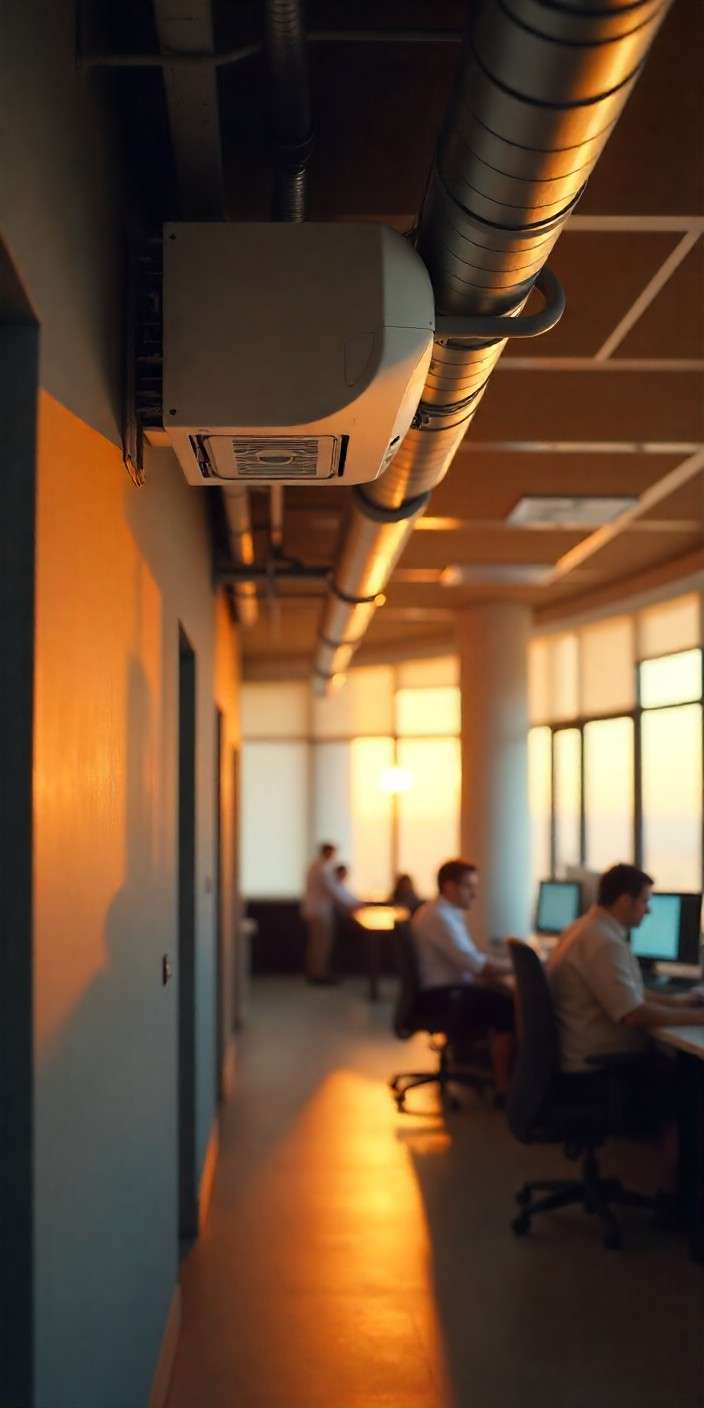
In today’s world, where energy efficiency is more crucial than ever, homeowners and businesses are increasingly turning to technology to reduce their energy consumption. One of the most impactful innovations in this space is the advent of automated HVAC (Heating, Ventilation, and Air Conditioning) systems. These smart systems are not just about keeping you comfortable—they are revolutionizing the way we think about energy savings.

What Are Automated HVAC Systems?
Automated HVAC systems are advanced heating and cooling systems that use smart technology to regulate the temperature, humidity, and overall air quality in a building. Unlike traditional systems, which rely on manual adjustments and operate on fixed schedules, automated systems are equipped with sensors, algorithms, and machine learning capabilities. These allow the system to adjust automatically based on real-time data, ensuring optimal performance and energy efficiency.
How Automated HVAC Systems Work
The core of an automated HVAC system is its network of sensors and controllers. These components monitor various environmental factors such as temperature, humidity, occupancy, and even weather conditions. The data collected is then processed by the system’s algorithms, which make intelligent decisions about when to heat, cool, or ventilate a space.
For example, in a smart home equipped with an automated HVAC system, the thermostat can learn your daily routine—when you leave for work, when you return, and when you go to bed. Over time, the system optimizes its operation to provide comfort while minimizing energy use. If the house is empty during the day, the system can reduce heating or cooling to save energy, and then ramp up just before you return, ensuring you walk into a perfectly comfortable environment.
The Energy Savings Potential
One of the most significant advantages of automated HVAC systems is their potential for energy savings. Traditional HVAC systems often operate inefficiently because they lack the ability to adjust dynamically to changing conditions. This can lead to energy waste, such as heating or cooling an empty house or maintaining an unnecessary temperature when no one is home.
Automated systems, on the other hand, can reduce energy consumption by up to 30% or more. This is achieved through various means:
- Precision Control: Automated systems provide precise control over temperature settings, avoiding the common issue of over-cooling or over-heating a space. This level of control ensures that energy is only used when necessary.
- Adaptive Operation: By learning from your habits and adjusting to environmental changes, these systems can operate more efficiently. For instance, they can adjust settings based on the time of day, weather patterns, or even the number of people in a room.
- Zone Control: Many automated HVAC systems allow for zoning, where different areas of a home or building can be heated or cooled independently. This prevents the energy waste associated with conditioning unused spaces.
- Remote Access and Monitoring: With remote access via smartphone apps, homeowners can monitor and control their HVAC system from anywhere. This feature allows for adjustments on the fly, further enhancing energy savings.
Environmental Impact and Sustainability
Beyond the immediate financial benefits, the energy savings achieved with automated HVAC systems contribute to broader environmental sustainability goals. Reduced energy consumption directly translates to lower greenhouse gas emissions, which are a significant contributor to climate change. As the demand for energy-efficient solutions grows, automated HVAC systems are poised to play a crucial role in reducing the carbon footprint of residential and commercial buildings.
Real-World Examples
Several real-world examples demonstrate the effectiveness of automated HVAC systems in saving energy:
- Smart Thermostats: Devices like the Nest Learning Thermostat and Ecobee SmartThermostat have become popular in homes across the globe. These thermostats learn user preferences and adjust settings automatically, resulting in significant energy savings. For instance, studies have shown that Nest users save an average of 10-12% on heating and 15% on cooling bills.
- Commercial Buildings: In the commercial sector, large buildings with complex HVAC needs have seen dramatic energy savings by adopting automated systems. For example, the Empire State Building underwent a comprehensive energy efficiency retrofit that included an advanced automated HVAC system, resulting in a 38% reduction in energy use.
- Government Initiatives: Governments and municipalities are also recognizing the benefits of automated HVAC systems. In many regions, incentives and rebates are offered to encourage the adoption of these technologies, further promoting energy efficiency and sustainability.
Challenges and Considerations
While the benefits of automated HVAC systems are clear, there are some challenges and considerations to keep in mind:
- Initial Cost: The upfront cost of installing an automated HVAC system can be higher than that of a traditional system. However, this investment is often offset by the long-term energy savings and reduced utility bills.
- Integration with Existing Systems: For some homeowners and businesses, integrating an automated system with existing HVAC infrastructure can be complex. It’s essential to work with experienced professionals to ensure a seamless transition.
- Maintenance and Updates: Automated systems require regular maintenance and software updates to function optimally. Staying on top of these requirements is crucial for maximizing energy savings.
The Future of Automated HVAC Systems
The future of HVAC automation is bright, with ongoing advancements in artificial intelligence, machine learning, and the Internet of Things (IoT). As these technologies continue to evolve, we can expect even more sophisticated systems that offer greater energy savings and enhanced comfort.
MG Cooling Solutions
MG Cooling Solutions offers an advanced IoT-based HVAC monitoring system, designed to optimize the performance of your heating, ventilation, and air conditioning units. Our system provides real-time data insights, allowing for proactive maintenance, energy efficiency, and cost reduction. With remote access and automated alerts, you can ensure consistent comfort and operational excellence. Upgrade to MG Cooling Solutions’ IoT-based monitoring for smarter, more efficient HVAC management.
Wrapping Up
Automated HVAC systems represent a significant leap forward in energy efficiency and environmental sustainability. By intelligently managing heating, cooling, and ventilation, these systems provide not only comfort but also substantial cost savings and a reduced carbon footprint. For homeowners and businesses looking to invest in the future, automated HVAC systems are a smart choice that will pay dividends for years to come.
Don’t Miss: Common Challenges in Commercial HVAC Design and Installation