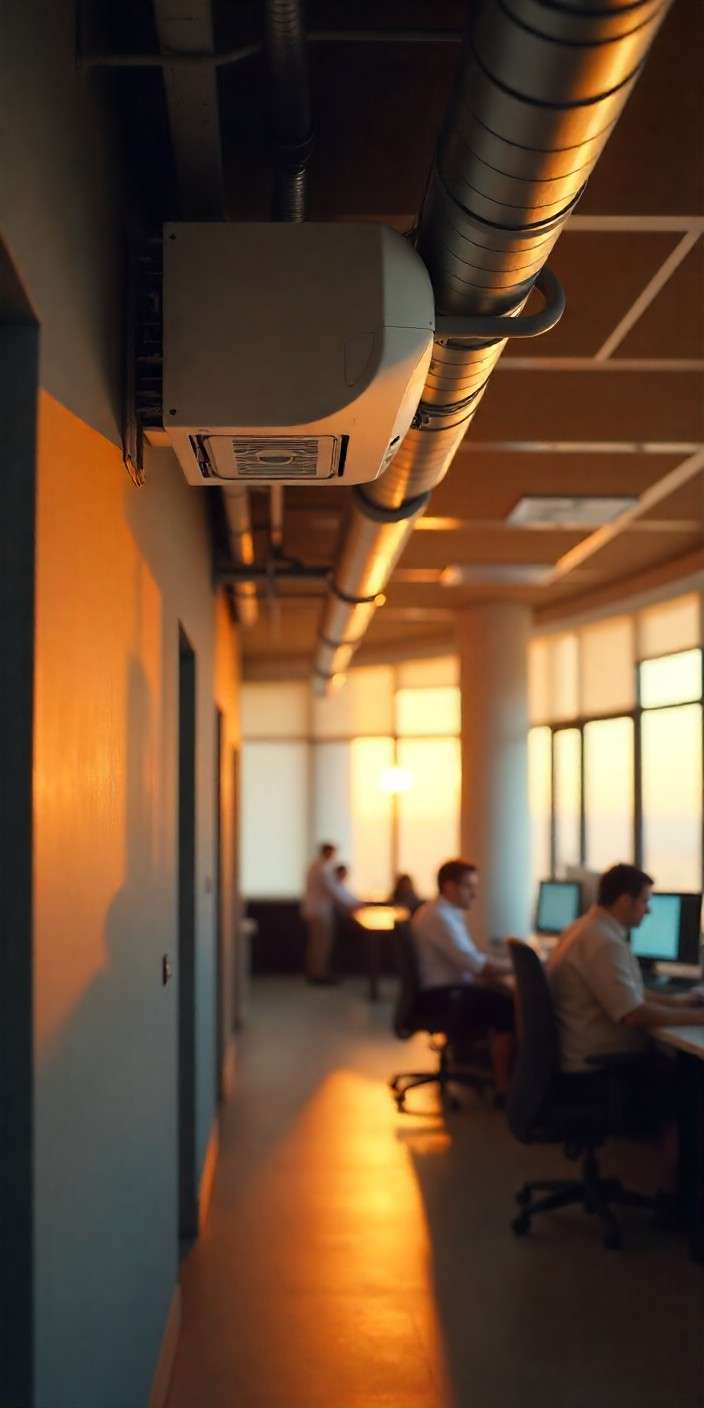
As we march forward into an increasingly connected and tech-savvy world, the way we manage our indoor environments is evolving dramatically. Gone are the days of clunky thermostats and manual temperature adjustments. Today, smart HVAC (Heating, Ventilation, and Air Conditioning) systems are at the forefront of this transformation, promising not only enhanced comfort but also greater energy efficiency and unprecedented levels of control. But what does the future hold for smart HVAC systems? Let’s dive into the trends and innovations shaping the next generation of climate control.

1. AI and Machine Learning: The Brain Behind Smart HVAC
Artificial Intelligence (AI) and Machine Learning (ML) are revolutionizing smart HVAC systems. These technologies enable HVAC systems to learn from your habits and preferences, making adjustments in real time to optimize comfort and efficiency. For instance, AI algorithms can analyze data from various sensors to predict heating and cooling needs before they arise, reducing energy consumption and extending the lifespan of HVAC components.
One of the exciting advancements is the use of AI for predictive maintenance. By monitoring performance and identifying potential issues before they become critical, AI can alert homeowners or facility managers about necessary repairs, potentially saving significant costs and preventing unexpected breakdowns.
2. Integration with Smart Home Ecosystems
As smart home ecosystems become more prevalent, seamless integration with smart HVAC systems is increasingly important. Today’s smart thermostats can connect with voice assistants like Amazon Alexa, Google Assistant, and Apple’s Siri, allowing users to control their home environment with simple voice commands. But the future promises even deeper integration. Imagine a smart HVAC system that communicates with other smart devices—such as smart blinds that adjust based on sunlight exposure or smart lighting systems that respond to your presence.
This level of integration will enhance the user experience by creating a cohesive smart home environment where every component works together to optimize energy use and comfort. It’s not just about controlling your thermostat; it’s about creating a living space that intuitively responds to your needs.
3. Enhanced Zoning Systems
Zoning systems have long been a feature of advanced HVAC setups, allowing different areas of a home or building to be heated or cooled independently. The future of zoning is all about precision and efficiency. Smart zoning systems will leverage sophisticated sensors and algorithms to make real-time adjustments based on occupancy, time of day, and even weather conditions.
For example, in a multi-story home, a smart HVAC system could maintain a cooler temperature in the bedrooms at night while keeping the living areas warmer during the day.
4. Energy Efficiency and Sustainability
The push towards sustainability is driving significant advancements in smart HVAC technology. Modern systems are designed to meet rigorous energy efficiency standards and are often equipped with features that promote environmental responsibility. For instance, many new smart HVAC units are compatible with renewable energy sources like solar panels, enabling homeowners to reduce their carbon footprint and lower energy bills.
Additionally, innovations such as variable-speed compressors and advanced heat pump technology are making HVAC systems more efficient than ever. Variable-speed compressors adjust their speed based on the heating or cooling demand, providing precise temperature control while minimizing energy use. Heat pumps, which can efficiently heat and cool a space using a fraction of the energy of traditional systems, are becoming more widely adopted as their technology continues to improve.
5. Advanced Sensor Technology
The integration of advanced sensor technology into smart HVAC systems is a game-changer. Modern sensors can monitor indoor air quality, detect humidity levels, and even track the presence of allergens. This data allows HVAC systems to make real-time adjustments to maintain optimal indoor air quality, which is crucial for health and comfort.
For example, if a sensor detects a high level of carbon dioxide or particulate matter, the HVAC system can automatically increase ventilation or air purification to address the issue. This proactive approach ensures a healthier living environment and enhances the overall efficiency of the system.
6. Remote Monitoring and Control
Remote monitoring and control are becoming standard features in smart HVAC systems. Homeowners and facility managers can now access their HVAC systems from anywhere using smartphone apps or web portals. This capability allows for remote adjustments, real-time monitoring, and even troubleshooting from afar.
For instance, if you’re on vacation and notice that your home’s temperature is not as expected, you can adjust the settings remotely to ensure everything is comfortable when you return. This level of control not only enhances convenience but also helps in identifying and addressing issues before they escalate into major problems.
7. Future-Proofing and Scalability
As technology continues to evolve, the concept of future-proofing is becoming increasingly important. Smart HVAC systems are being designed with scalability in mind, allowing for easy upgrades and integration with future technologies. This means that as new innovations emerge, your HVAC system can adapt and incorporate new features without requiring a complete overhaul.
Scalability also plays a crucial role in commercial applications, where HVAC systems must be able to accommodate changing needs and expanding infrastructures. Future-proof smart HVAC systems will provide the flexibility needed to adapt to evolving requirements and technological advancements.
MG Cooling Solutions
MG Cooling Solutions introduces cutting-edge IoT-based HVAC automation, revolutionizing climate control for commercial spaces. Our smart solutions offer seamless monitoring and management of heating, ventilation, and air conditioning systems, enhancing energy efficiency and reducing operational costs. With real-time data insights and remote access, our IoT-driven technology ensures optimal comfort and performance, making your environment smarter and more sustainable. Upgrade to MG Cooling Solutions for next-generation HVAC automation.
Wrapping Up
The future of smart HVAC systems is brimming with exciting possibilities. From AI-driven efficiency to seamless integration with smart home ecosystems, the innovations on the horizon promise to redefine how we manage our indoor environments. Enhanced zoning, advanced sensors, and a strong emphasis on energy efficiency and sustainability are set to make smart HVAC systems more intelligent and responsive than ever before.
As these technologies continue to evolve, they will not only improve our comfort and convenience but also contribute to a more sustainable and energy-efficient future. So, whether you’re a homeowner looking to upgrade your current system or a tech enthusiast eager to explore the latest innovations, keeping an eye on the future of smart HVAC is sure to be an exciting journey.
Don’t Miss: How Centralized Air Conditioning Systems Work?