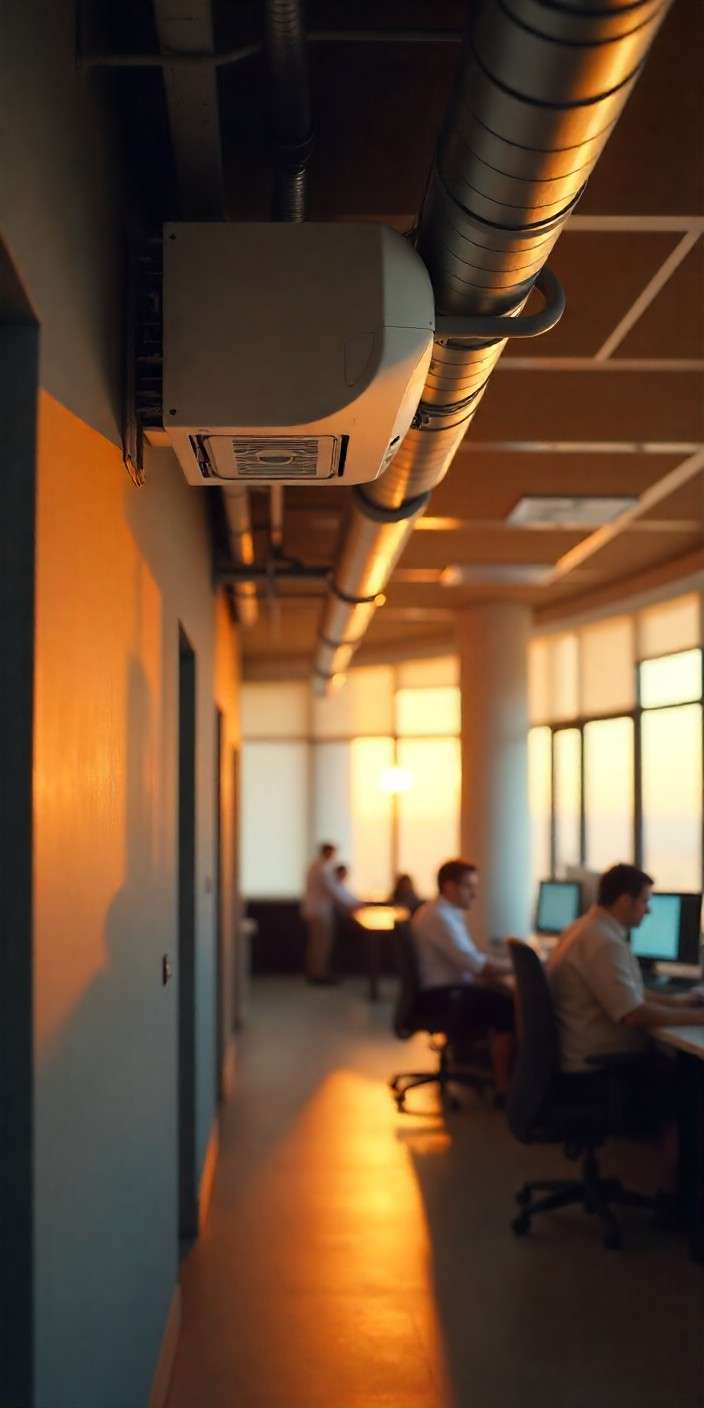
In the quest for modern comfort, HVAC (Heating, Ventilation, and Air Conditioning) systems stand as stalwart guardians, ensuring our spaces remain cozy in winter’s chill and cool in summer’s blaze. However, amidst their undeniable convenience lies a lesser-known truth: the environmental impact of HVAC systems. From energy consumption to refrigerant emissions, these systems can exert a significant ecological footprint. Yet, there is hope. Sustainable solutions are emerging, promising to harmonize comfort with environmental stewardship. Let’s delve into the intricacies of HVAC sustainability and the path forward towards greener, more eco-conscious practices.
The Environmental Footprint of HVAC Systems
- Energy Consumption: One of the primary environmental concerns associated with HVAC systems is their energy consumption. Heating and cooling processes often rely on fossil fuels or electricity generated from non-renewable sources, contributing to greenhouse gas emissions and climate change. Additionally, inefficient HVAC systems can lead to excessive energy usage, further exacerbating environmental impacts.
- Refrigerant Emissions: Traditional HVAC systems utilize refrigerants, which, if leaked or improperly disposed of, can pose a significant threat to the environment. Many refrigerants contain potent greenhouse gases known as hydrofluorocarbons (HFCs), which contribute to global warming and ozone depletion when released into the atmosphere.
- Water Consumption: In regions where water scarcity is a concern, HVAC systems that rely on water for cooling purposes can strain local water resources. Cooling towers and evaporative coolers, common components of HVAC systems, consume substantial amounts of water through evaporation and discharge, potentially impacting aquatic ecosystems and community water supplies.
Sustainable Solutions for Greener HVAC Practices
- Energy Efficiency: Enhancing the energy efficiency of HVAC systems is paramount to reducing their environmental impact. This can be achieved through various measures, including upgrading to high-efficiency equipment, optimizing system design and operation, and implementing energy-saving technologies such as programmable thermostats and variable-speed drives. By minimizing energy consumption, HVAC systems can mitigate their carbon footprint while lowering utility costs for building owners.
- Alternative Refrigerants: Transitioning away from high-global-warming-potential refrigerants towards more environmentally friendly alternatives is a crucial step towards sustainability in HVAC. Low-global-warming-potential refrigerants, such as hydrofluoroolefins (HFOs) and natural refrigerants like carbon dioxide (CO2) and ammonia (NH3), offer promising alternatives with reduced environmental impact. Retrofitting existing HVAC systems with eco-friendly refrigerants or opting for new systems designed for sustainability can help mitigate refrigerant emissions.
- Water Conservation: Water-efficient HVAC technologies can help minimize water consumption and alleviate strain on local water supplies. Strategies such as utilizing water-saving cooling towers, implementing water recycling and reuse systems, and optimizing cooling tower operation to minimize water waste can all contribute to more sustainable water management in HVAC applications.
Embracing Sustainability with MG Cooling Solutions
As the conversation shifts toward greener HVAC practices, companies like MG Cooling Solutions are leading the charge toward sustainability. With a steadfast commitment to environmental responsibility and innovation, MG Cooling Solutions offers a range of eco-conscious HVAC solutions designed to minimize environmental impact while maximizing comfort and efficiency.
Wrapping Up
The environmental impact of HVAC systems underscores the urgent need for sustainable solutions in the realm of indoor comfort. By prioritizing energy efficiency, transitioning to eco-friendly refrigerants, and embracing water conservation measures, we can mitigate the environmental footprint of HVAC systems while fostering healthier, more sustainable living spaces. With companies like MG Cooling Solutions leading the way, the journey towards greener HVAC practices is well underway.
Don’t Miss: Understanding HVAC Systems: Operation and Acronym Explained