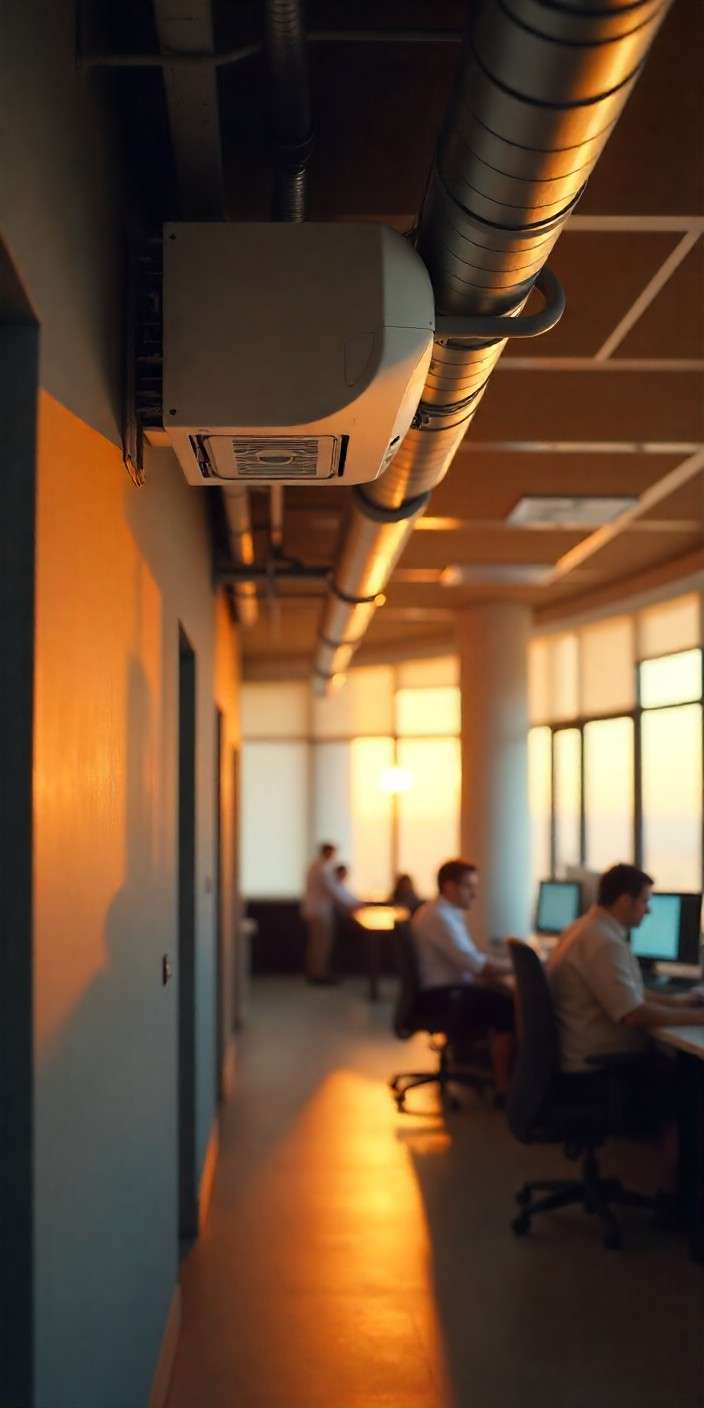
In the realm of modern comfort and convenience, the term “HVAC” is ubiquitous. From our homes to office buildings, shopping malls to hospitals, HVAC systems play a crucial role in maintaining optimal indoor conditions. But what exactly does HVAC stand for, and how do these systems function? Let’s delve into the inner workings of HVAC technology to uncover its secrets.
What Does HVAC Stand For?
HVAC is an acronym for Heating, Ventilation, and Air Conditioning. Each component of this acronym represents a vital aspect of the system’s functionality:
- Heating: This aspect of HVAC systems is responsible for maintaining warmth during colder months. It typically involves furnaces, boilers, or heat pumps that generate heat to raise the temperature indoors.
- Ventilation: Ventilation ensures the circulation of fresh air throughout the building while expelling stale air, odors, and pollutants. Proper ventilation is crucial for maintaining indoor air quality and preventing the buildup of harmful contaminants.
- Air Conditioning: Air conditioning is the process of controlling indoor temperature and humidity levels to create a comfortable environment, especially during hot summer months. This is achieved through cooling systems such as air conditioners or heat pumps.
How Do HVAC Systems Work?
HVAC systems operate on the principle of thermal energy transfer, utilizing a combination of mechanical, electrical, and chemical processes to regulate indoor climate conditions. Below is a simplified breakdown outlining the functioning of these systems:
- Heating Phase: During the heating phase, the HVAC system activates the heating component (e.g., furnace or heat pump) to generate warmth. Heat energy is produced either through combustion (in the case of furnaces) or by extracting heat from external sources like the air or ground (in heat pumps). The heated air is then circulated throughout the building via ductwork or radiant systems, raising the indoor temperature to the desired level.
- Ventilation Phase: Ventilation plays a crucial role in maintaining indoor air quality by exchanging stale air with fresh outdoor air. HVAC systems achieve ventilation through a combination of natural and mechanical means. Air is drawn into the building through intake vents, filtered to remove contaminants, and distributed to various rooms via ductwork. Simultaneously, exhaust fans expel stale air, excess moisture, and pollutants to the outdoors, ensuring a constant supply of clean, breathable air.
- Air Conditioning Phase: In the air conditioning phase, the HVAC system switches to cooling mode to lower indoor temperatures and control humidity levels. This process typically involves refrigeration cycles, where refrigerants circulate through coils and undergo phase changes to absorb heat from indoor air. The cooled air is then distributed throughout the building, while excess heat is expelled outdoors. Additionally, air filters help remove airborne particles and allergens, further enhancing indoor air quality.
MG Cooling Solutions
For reliable HVAC solutions tailored to your specific needs, trust MG Cooling Solutions. With years of industry experience and a commitment to customer satisfaction, MGCS offers comprehensive HVAC services, including installation, maintenance, and repair. Remember, when it comes to HVAC, MG Cooling Solutions has you covered! Contact MGCS for all your HVAC needs.
Conclusion
In conclusion, HVAC systems are marvels of modern engineering designed to create comfortable and healthy indoor environments. By integrating heating, ventilation, and air conditioning technologies, these systems ensure optimal temperature control, air quality, and humidity levels year-round. Understanding the fundamentals of HVAC operation is essential for homeowners, building managers, and HVAC professionals alike, as it enables effective system maintenance, troubleshooting, and energy management.
Don’t Miss: The Benefits of Hiring a Precision AC Company in Gurgaon