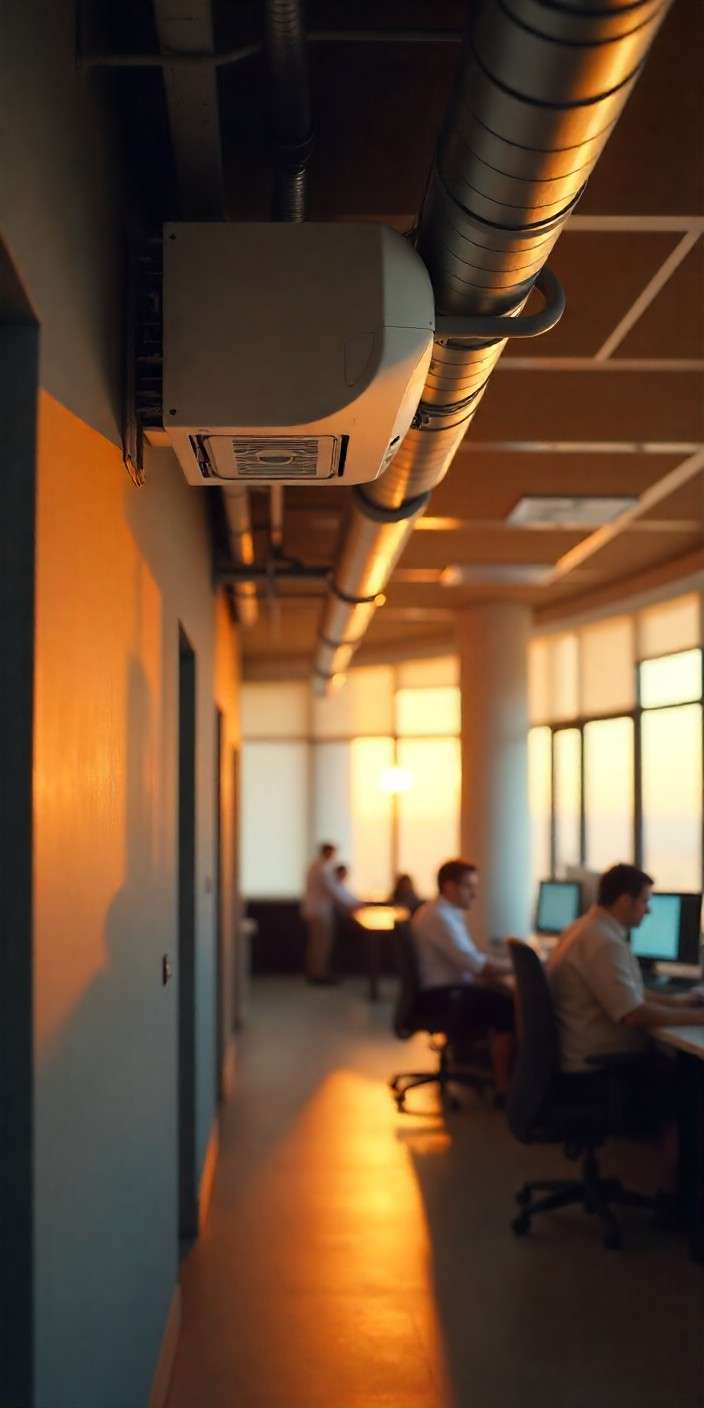
In today’s world, where indoor air quality is increasingly becoming a concern, homeowners and businesses alike are seeking solutions to enhance the air they breathe. One such solution gaining popularity is the HVAC air purifier. But what exactly does an HVAC air purifier do, and how does it contribute to better indoor air quality? Let’s delve into the world of HVAC air purifiers to uncover their functionalities and benefits.
Understanding HVAC Air Purifiers
An HVAC air purifier is a device designed to improve indoor air quality by removing airborne contaminants, allergens, and pollutants from the air circulated by heating, ventilation, and air conditioning (HVAC) systems. Unlike standalone air purifiers that target specific rooms or areas, HVAC air purifiers are integrated directly into existing HVAC systems, allowing for comprehensive air purification throughout the entire building.
How Do HVAC Air Purifiers Work?
HVAC air purifiers utilize various technologies to capture and neutralize airborne pollutants, including:
- Filtration: Many HVAC air purifiers incorporate high-efficiency particulate air (HEPA) filters or electrostatic filters to trap airborne particles such as dust, pollen, pet dander, and mold spores as air passes through the HVAC system. These filters are highly effective at capturing even the smallest particles, ensuring cleaner, healthier air indoors.
- UV-C Light: Some HVAC air purifiers use ultraviolet (UV) light, specifically UV-C light, to disinfect and neutralize airborne pathogens such as bacteria, viruses, and mold. When UV-C light encounters these microorganisms, it disrupts their DNA, rendering them unable to reproduce and causing them to die off. This technology provides an additional layer of protection against biological contaminants in the air.
- Ionization: Ionization technology generates charged ions that attach to airborne particles, causing them to become heavier and settle out of the air or stick to nearby surfaces. This process, known as electrostatic precipitation, effectively removes particles from the air, reducing overall airborne pollution levels.
Benefits of HVAC Air Purifiers
- Improved Indoor Air Quality: By removing airborne pollutants and allergens, HVAC air purifiers help improve indoor air quality, creating a healthier and more comfortable living or working environment. This is especially beneficial for individuals with respiratory conditions such as asthma or allergies, as cleaner air can reduce symptoms and improve overall well-being.
- Reduced Allergens and Odors: HVAC air purifiers effectively capture and neutralize common allergens such as pollen, pet dander, and mold spores, as well as unpleasant odors from cooking, smoking, or pets. This results in fresher, cleaner air that is free from irritating particles and unpleasant smells.
- Enhanced HVAC System Efficiency: By removing airborne particles and keeping HVAC system components clean, air purifiers can help improve the efficiency and longevity of HVAC systems. Cleaner air filters and reduced buildup of contaminants on coils and ductwork can lead to lower energy consumption, fewer maintenance issues, and extended equipment lifespan.
MG Cooling Solutions: Your Partner for Cleaner Air
In the quest for cleaner, healthier indoor air, MG Cooling Solutions stands as a trusted provider of innovative HVAC solutions. With a focus on efficiency, reliability, and customer satisfaction, MGCS offers a range of air purifiers and filtration systems designed to enhance indoor air quality and optimize HVAC system performance.
From HEPA filtration systems to UV-C light purifiers and ionization technology, MG Cooling Solutions provides cutting-edge solutions tailored to the unique needs of residential, commercial, and industrial environments. With expert installation, maintenance, and support services, MGCS ensures that your indoor air remains clean, fresh, and free from pollutants.
Conclusion
HVAC air purifiers play a vital role in improving indoor air quality and creating healthier living and working environments. By removing airborne pollutants, allergens, and odors, these innovative devices contribute to cleaner air, reduced respiratory symptoms, and enhanced HVAC system efficiency.
Don’t Miss: Demystifying Precision Air Conditioning: How It Keeps Data Centers Cool