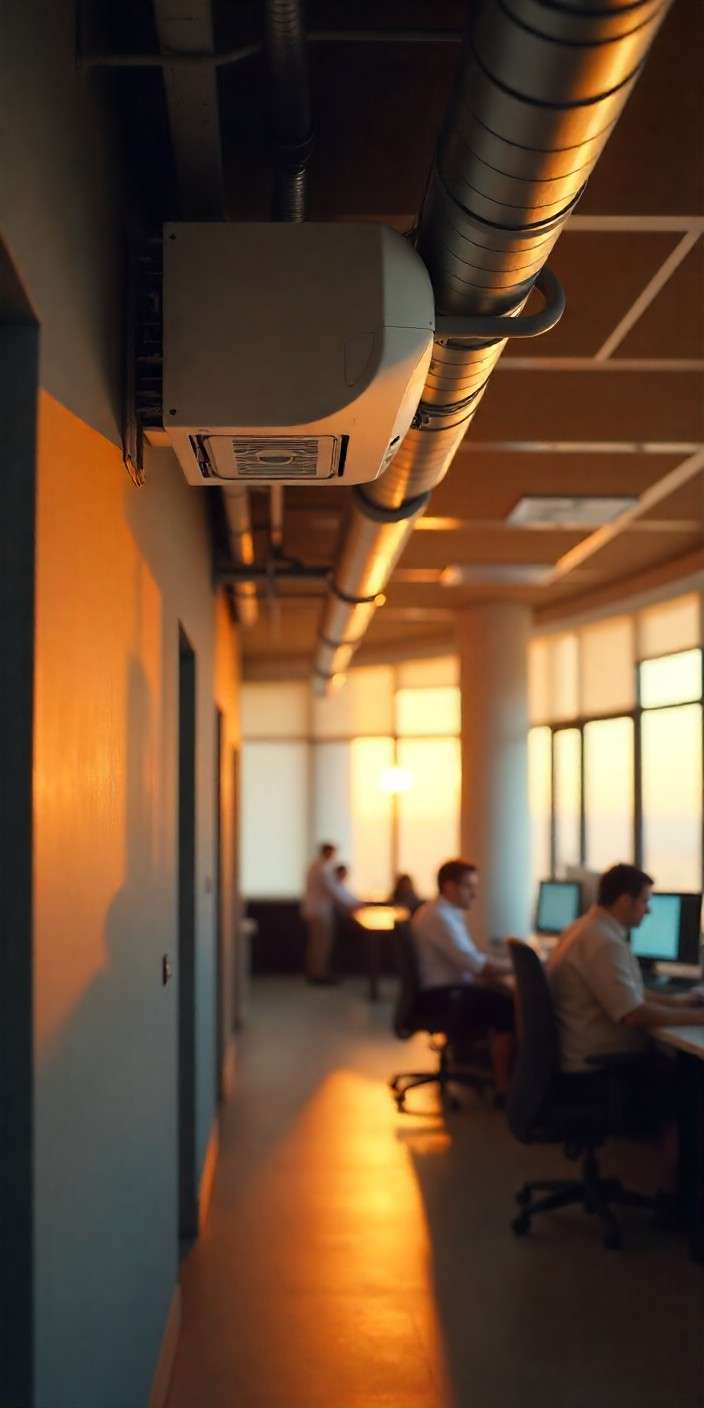
In the realm of commercial buildings, the quest for optimal climate management is a perpetual challenge. From maintaining comfortable temperatures to maximizing energy efficiency, the role of HVAC (Heating, Ventilation, and Air Conditioning) systems is paramount. In this blog post, we embark on a journey to unravel the intricacies of commercial HVAC controls, exploring the latest smart solutions designed to revolutionize climate management in commercial spaces.
The Evolution of HVAC Controls
Gone are the days of basic thermostat controls. Today, commercial HVAC systems are equipped with sophisticated controls that offer unprecedented levels of customization and automation. The evolution of HVAC controls has been driven by advancements in technology, with a focus on enhancing energy efficiency, comfort, and convenience for building occupants.
Understanding Commercial HVAC Controls
Commercial HVAC controls encompass a diverse range of technologies and systems designed to regulate heating, cooling, and ventilation in commercial buildings. These controls enable facility managers to fine-tune various parameters, such as temperature, humidity, airflow, and air quality, to create optimal indoor environments tailored to specific requirements.
Key Components of Commercial HVAC Controls
- Thermostats: Thermostats serve as the primary interface between building occupants and the HVAC system. Modern thermostats feature intuitive controls, programmable schedules, and remote access capabilities, allowing users to adjust settings from anywhere using their smartphones or tablets.
- Sensors: Sensors play a crucial role in gathering real-time data about indoor environmental conditions. Temperature, humidity, occupancy, and air quality sensors provide valuable insights that enable HVAC systems to respond dynamically to changing conditions, optimizing energy usage and comfort.
- Building Automation Systems (BAS): BAS serves as the central nervous system of commercial buildings, integrating various HVAC components, lighting, security, and other systems into a cohesive network. BAS enables centralized monitoring, control, and automation of building operations, enhancing efficiency and performance.
- Variable Air Volume (VAV) Systems: VAV systems adjust the airflow to different zones within a building based on occupancy and temperature requirements. By modulating the airflow to match demand, VAV systems optimize energy usage and maintain consistent comfort levels throughout the building.
- Energy Management Systems (EMS): EMS utilize advanced algorithms and predictive analytics to optimize energy usage and reduce operational costs. These systems analyze data from sensors and HVAC equipment to identify opportunities for energy savings and implement automated strategies for efficiency improvement.
Benefits of Smart HVAC Controls
- Energy Efficiency: Smart HVAC controls enable precise control over heating and cooling operations, minimizing energy waste and reducing utility costs. By optimizing equipment performance and implementing energy-saving strategies, smart controls contribute to a more sustainable built environment.
- Enhanced Comfort: Customizable settings and zoning capabilities allow occupants to personalize their indoor environment, ensuring optimal comfort and satisfaction. Smart controls adjust temperature, airflow, and humidity levels dynamically, maintaining consistent comfort throughout the building.
- Remote Access and Monitoring: Remote access features enable facility managers to monitor and control HVAC systems remotely, providing flexibility and convenience. Real-time alerts and notifications allow prompt response to equipment issues, minimizing downtime and optimizing system performance.
- Data-driven Insights: The integration of sensors and analytics tools provides valuable data insights that enable proactive maintenance and optimization of HVAC systems. By analyzing trends and patterns, facility managers can identify inefficiencies and implement targeted solutions to improve performance.
MG Cooling Solutions
MG Cooling Solutions stands as the premier HVAC contractor in Delhi, offering top-notch services backed by years of expertise and a commitment to excellence. Specializing in installation, maintenance, and repair, we deliver tailored solutions to meet your commercial and residential HVAC needs. With a focus on quality craftsmanship and customer satisfaction, trust MG Cooling Solutions to keep your indoor environment comfortable and efficient year-round. Experience unparalleled service with Delhi’s leading HVAC contractor.
Wrapping Up
Commercial HVAC controls represent the cutting edge of climate management technology, offering smart solutions for efficient and sustainable building operations. From advanced thermostats to integrated building automation systems, these controls empower facility managers to optimize energy usage, enhance comfort, and ensure a productive indoor environment for occupants. As technology continues to evolve, the future of commercial HVAC controls holds promise for even greater efficiency, innovation, and sustainability in building design and management.
Don’t Miss: Role of Activated Carbon Filters in HVAC Air Purification