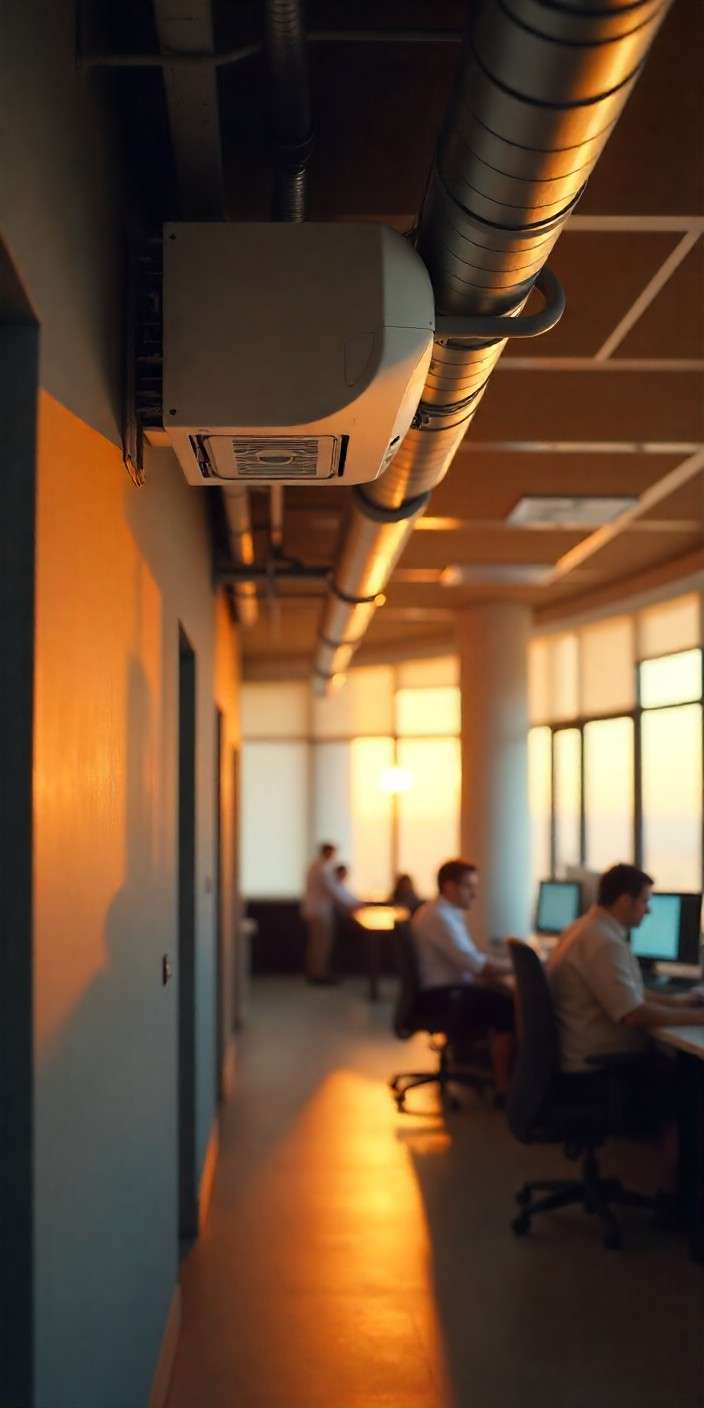
In the pursuit of healthier indoor environments, the significance of efficient HVAC (Heating, Ventilation, and Air Conditioning) systems cannot be overstated. With the increasing concern over air quality, particularly in urban settings, the role of activated carbon filters in HVAC air purification has emerged as a crucial aspect of modern building management. In this blog post, we delve into the workings of activated carbon filters, their impact on indoor air quality, and why they are indispensable components of HVAC systems.
Understanding Activated Carbon Filters
Activated carbon, alternatively referred to as activated charcoal, undergoes processing to develop tiny pores with low volume, thereby amplifying the surface area accessible for adsorption or chemical reactions. These filters are commonly used in air purification systems due to their exceptional ability to capture and neutralize various pollutants, odors, and volatile organic compounds (VOCs) present in the air.
How Activated Carbon Filters Work
Activated carbon filters function through a process called adsorption, where pollutants in the air adhere to the surface of the carbon particles. This mechanism relies on the porous structure of activated carbon, which provides an extensive surface area for molecules to interact with. As air passes through the filter, contaminants are trapped within the porous network, effectively removing them from the air stream.
Role in HVAC Systems
In HVAC systems, activated carbon filters play a vital role in improving indoor air quality by capturing a wide range of pollutants and odors. These filters are typically integrated into the air handling units or ductwork, where they intercept airborne particles before they circulate throughout the building. By removing pollutants at the source, activated carbon filters help maintain a clean and healthy indoor environment for occupants.
Benefits of Activated Carbon Filters
- Effective Odor Removal: Activated carbon filters excel at eliminating unpleasant odors caused by cooking, smoking, or chemical off-gassing. The porous structure of the carbon efficiently absorbs odor-causing molecules, leaving the air smelling fresh and clean.
- Removal of VOCs: Volatile organic compounds is a common indoor air pollutant emitted by various sources such as paints, cleaning products, and furniture. Activated carbon filters can effectively adsorb VOCs, reducing their concentration in the air and mitigating potential health risks associated with prolonged exposure.
- Allergen Reduction: Activated carbon filters can also capture allergens like pollen, dust mites, and pet dander, providing relief to individuals suffering from allergies or respiratory conditions.
- Enhanced Comfort: By purifying the air and removing contaminants, activated carbon filters contribute to a more comfortable and pleasant indoor environment for occupants.
Considerations and Maintenance
While activated carbon filters offer numerous benefits, proper maintenance is essential to ensure optimal performance. Regular replacement of filters is necessary to prevent clogging and maintain efficient air purification. Additionally, the lifespan of activated carbon filters may vary depending on factors such as air quality, usage, and the presence of contaminants.
MG Cooling Solutions
MG Cooling Solutions offers premier HVAC air purification services in India, ensuring clean and healthy indoor environments for businesses and residences. With a focus on quality and efficiency, we provide state-of-the-art activated carbon filters and comprehensive air purification solutions tailored to our clients’ needs. Trust MG Cooling Solutions to deliver superior HVAC services that prioritize your well-being and comfort. Experience the difference with our expertise in air purification technology.
Wrapping Up
Activated carbon filters play a crucial role in HVAC air purification, offering effective removal of pollutants, odors, and allergens from indoor spaces. By harnessing the adsorption capabilities of activated carbon, these filters contribute to healthier and more comfortable environments for building occupants. As the importance of indoor air quality continues to gain recognition, integrating activated carbon filters into HVAC systems remains a key strategy for promoting well-being and sustainability in modern buildings.
Don’t Miss: Understanding HEPA Filtration in HVAC Systems: What You Need to Know