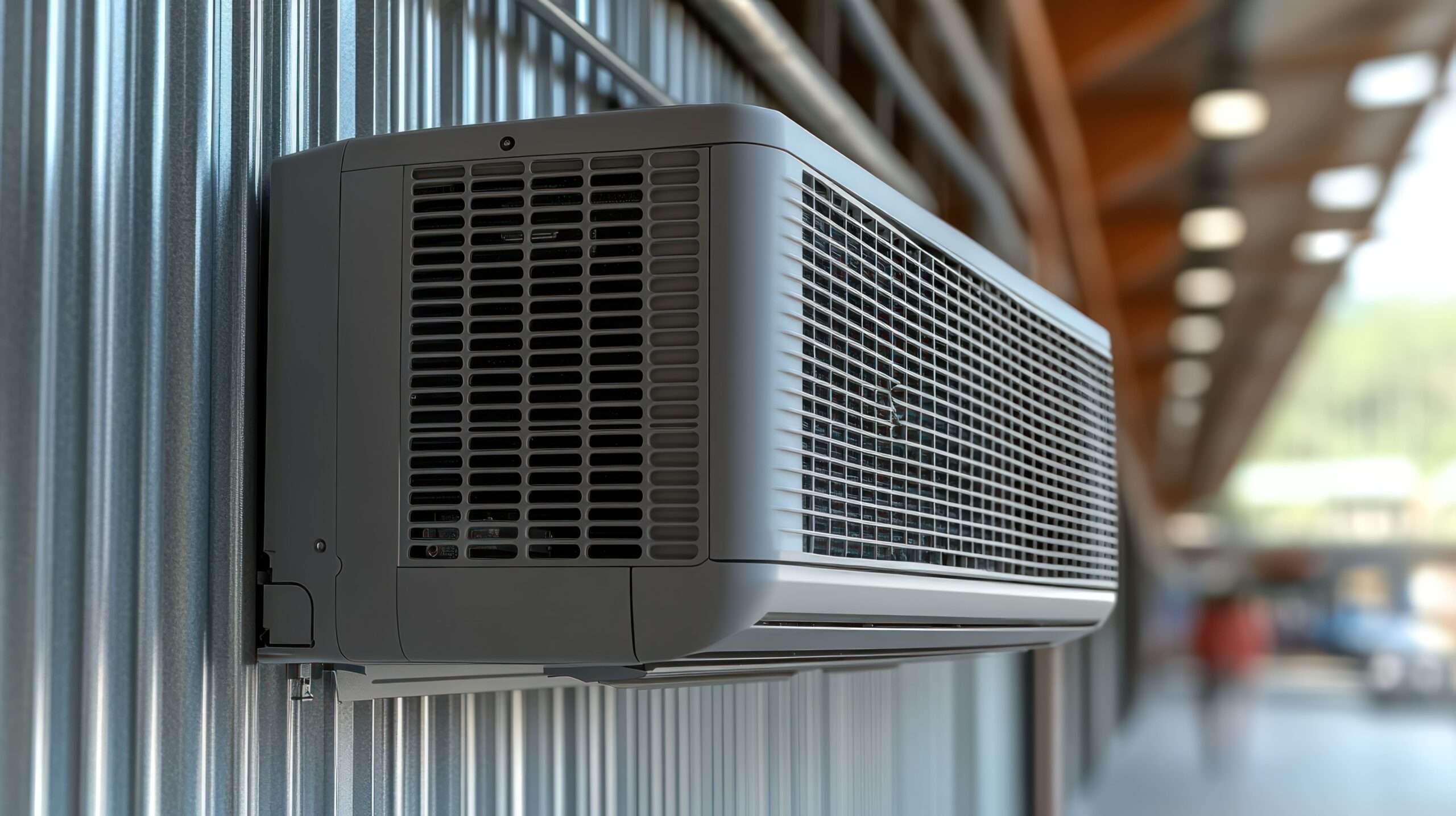
Preventive maintenance services are the cornerstones at commercial and industrial spaces as the activities in these environments make such places highly susceptible to various illnesses. One crucial aspect of maintaining a clean, intensively clean and safe environment is the implementation of HVAC system related services that ensure optimal temperature control and can even tackle specific challenges like odor and smoke extraction, ensuring a pleasant experience.
Mold is a typical issue that may impact the performance of air conditioning units. Because mold is a fungus that grows best in moist conditions, air conditioners are the perfect place to flourish. Numerous health problems, including allergies, asthma attacks, and respiratory disorders, might get triggered. It is essential to comprehend how mold impacts our air conditioning system units and subsequently our health by being exposed to such airflows from the ac units.
Small, invisible to the human eye, spores that travel through the air make up mold. These spores are airborne and can land in various places in any space be it commercial, industrial or residencies to lead into the evaporator coils in our air conditioners and the air ducts.
Shopping complexes, Industrial office spaces, Hospitals, etc. are a few crowded spaces that require efficient air conditioning to keep a stably comforting environment. However, this also makes them an easy catalyst for mold to quickly proliferate and become an apparent mold problem when they come into contact with a damp or moist environment with excess moisture, such as a filthy air filter or a water leak.
Mold development can produce musty odours frequently and possibly result in the establishment of black mold, which is more dangerous to your health.
How Can Mold Grow in an Air Conditioner? Signs to look out for
When specific circumstances, including too much moisture and an organic food source, are present, mold growth in an ac unit is possible. Understanding the causes of mold growth is crucial for preventing and solving this problem. There are specific areas in an air conditioner where mold tends to thrive, including the indoor unit, drain pan, and ductwork.
Moisture is a major catalyst in the growth of mold. Air conditioners remove moisture from the air to create a comfortable indoor environment. However, if the humidity level is too high or there are water leaks, condensation can form, leading to an environment for mold to grow. The drain pan, located beneath the indoor unit, can collect excess water and become a breeding ground for mold.
Another factor that promotes mold growth in air conditioners is the presence of an organic food source. Dust and debris that accumulate in the air ducts and evaporator coils can serve as nourishment for mold spores, allowing them to multiply and form mold colonies.
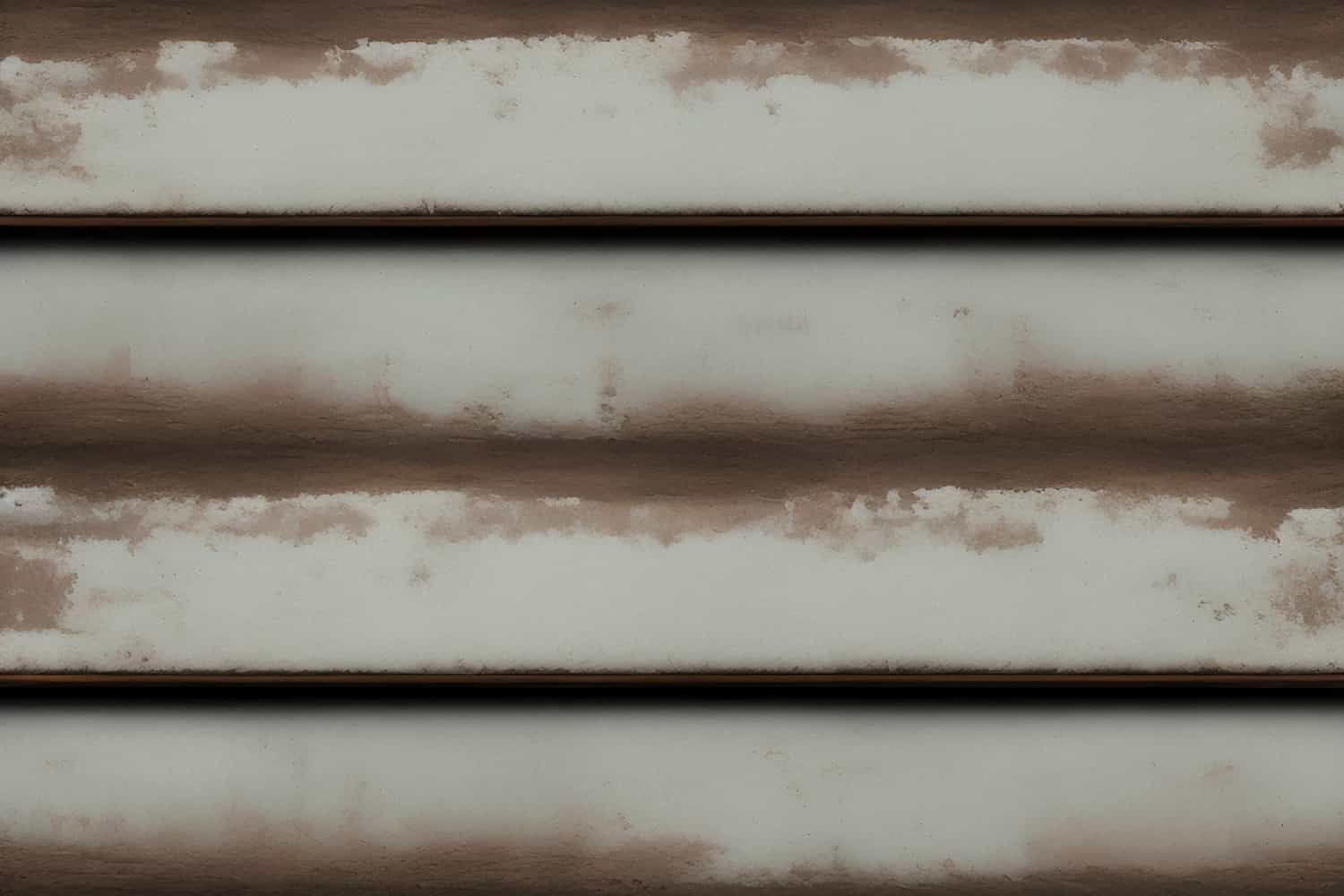
There are many signs that hint us towards mold growth that one must always look out for mold growth in an air conditioner. Musty smells emanating from the air conditioner are often a clear indication of mold presence. If you notice a persistent odor, it is essential to investigate further. Additionally, visible mold on the indoor unit or inside the air ducts is an obvious sign of mold growth that should be addressed promptly to prevent health risks and further damage.
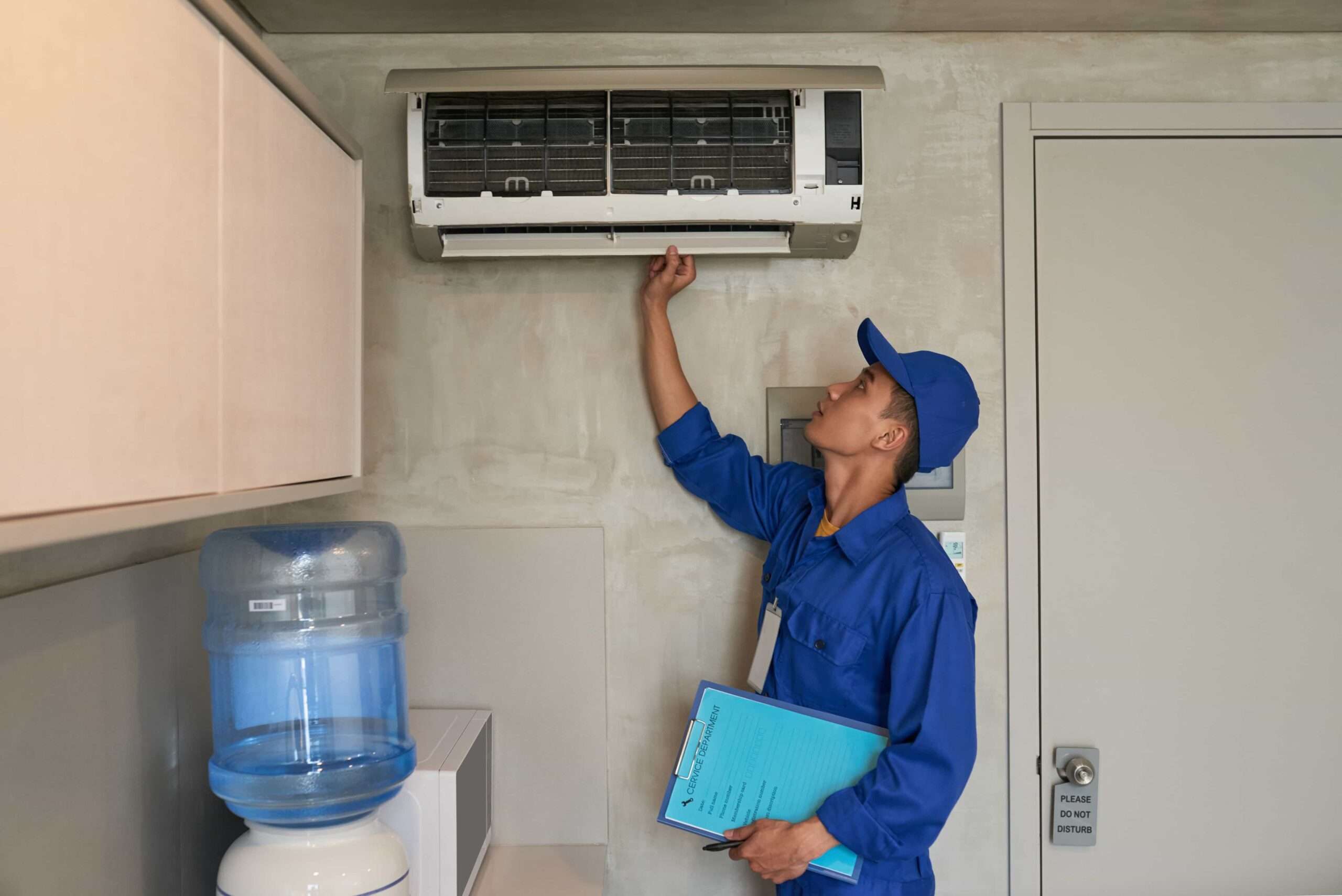
By understanding how mold can grow in an air conditioner and being attentive to signs of its presence, you can take the necessary steps to prevent and mitigate mold issues in your cooling system. Regular maintenance, including duct cleaning, changing air filters, and addressing water leaks, can help maintain a healthy environment and minimize the risk of mold growth.

Musty Smells
Musty smells in an air conditioner can be indicative of a larger issue: mold growth. These unpleasant odors can permeate not just the air conditioner itself, but also the room and even the entire house if not addressed promptly. Mold can not only damage your air conditioner but also impact indoor air quality, potentially leading to health issues such as respiratory discomfort, asthma attacks, and allergies.
When mold starts to grow in an air conditioner, the presence of moisture is often the main culprit. Excess water or condensation can accumulate in the drain pan or within the unit, creating damp conditions that are perfect for mold to thrive. As mold colonies grow, they release volatile organic compounds that give off that distinctive musty odor.
Regular maintenance, checking for water leaks, and keeping the humidity level in check are essential steps in preventing mold. Additionally, ensuring proper ventilation, using exhaust fans, and keeping the air conditioner clean can help create an environment that is less favorable for mold to grow.
Visible Mold
To address visible mold in an air conditioner, it is important to begin by thoroughly cleaning the affected areas. This can be done using household products, such as vinegar or hydrogen peroxide, combined with soap and water. Alternatively, a bleach solution can be used for tougher mold growth.
When cleaning visible mold, it is crucial to wear protective gloves and a mask to avoid inhaling mold spores. Scrub the affected areas gently and ensure that all visible mold is removed. After cleaning, thoroughly dry the air conditioner to prevent any remaining moisture that could promote further mold growth.
Health Effects
Exposure to mold in air conditioning equipment frequently results in allergic reactions. Sneezing, runny or stuffy nose, itchy or watery eyes, and skin rashes are only a few symptoms. The intensity of these allergic responses might range from little discomfort to more serious symptoms that need medical care.
Mold exposure in air conditioners can cause other health problems in addition to respiratory troubles and allergic reactions. For certain people, lethargy, headaches, nasal congestion, sore throats, or even recurrent respiratory infections may be present.
Preventing Conditions for Mold to Develop in an Air Conditioner
Maintain Humidity Level at Home
Humidity Levels : try to minimize condensation and excess moisture by trying to keep windows and doors shut whenever the AC is running. This will not only prevent humid air seeping in the room but also help in energy saving. This will also minimize the chances of condensation and excess moisture, creating an unfavorable environment for mold growth. A humidity level at 78 degrees Fahrenheit is well and good. This maximizes energy efficiency while helping prevent moisture problems. You can invest in quality dehumidifiers for specific areas such as bathrooms or underground rooms.
Regularly Clean and Change Air Filters
Air filters should be cleaned or replaced regularly to ensure peak efficiency and reduce the chance of mold formation. The type of filter you use while accounting for the air quality in your location, along with the volume of usage on space size, you can derive how often to clean or replace a filter. As a general rule, it is advised to clean or replace your air filters every one to three months.
Cleaning air filters is a simple process. To ensure safety, start by switching off your air conditioner. Shake off any remaining particles with care after removing the filter. Depending on the kind of filter, you may either hoover it with a soft brush attachment or wash it with a light detergent and warm, soapy water. Before reinstalling the filter after cleaning, ensure sure it is totally dry.
Follow the supplier’s recommended size and type when replacing air filters. It’s also important to choose filters with a high MERV (Minimum efficiency reporting value) rating, as they can effectively capture small particles and improve indoor air quality.
Check for Water Leaks or Excess Moisture Around the AC Unit
Regularly inspect for any water leakages taking place throughout the ac as they enable a damp environment leading to rapid growth of mold. To determine if there are any water leaks or excess moisture, inspect the condensate drainpipes, the sloping of the drip pan, and the proper drainage of the unit.
Start by examining the condensate drain pipes to ensure that they are not clogged or obstructed. Clear blockages so the water does not clog at a single place which eventually also leads to a water leakage which we are trying to prevent. To clear these blockages make sure that the dripping pan or piping is sloping correctly to allow flow of water to drain properly.
Any water accumulation or dripping should be promptly addressed to prevent further moisture buildup.
One important maintenance task is cleaning the evaporator coils and drain pans on a yearly basis. Turn the ac off and start with cleaning the dust and dirt that may have accumulated from the evaporator coils using a soft brush or vacuum cleaner. It’s important to be gentle to avoid damaging the delicate fins of the coils.
After cleaning the coils, move on to the drain pans. These pans collect the condensation that forms as your air conditioner cools the air. Over time, these pans can accumulate dirt, debris, and even mold. Clean the drain pans using a mixture of water and a mild bleach solution. This will help disinfect and remove any mold or bacteria.
Schedule Professional Duct Cleaning on a Regular Basis
Scheduling professional duct cleaning on a regular basis offers numerous benefits and is of utmost importance for maintaining a healthy living environment. One of the key advantages is the removal of dust and debris buildup within the air ducts. Over time, these contaminants accumulate and can lead to mold growth in the air conditioner.
By entrusting the task to professional experts, you can be assured that they will utilize specialized equipment to thoroughly clean and treat the air ducts. This specialized equipment allows for a deep and comprehensive cleaning process, eliminating any existing mold growth and preventing its recurrence.
Use Hot Water to Prevent Mold Buildup
Using hot water is an effective method to prevent mold buildup in your air conditioner. Mold growth thrives in environments with excess moisture, making air conditioning units a prime breeding ground. You can get rid of mold spores and stop their proliferation by include hot water in your cleaning regimen.
Mold spores are successfully killed by hot water. Any present mold is removed when the AC unit is cleaned, preventing it from growing more. Any visible mold and mold spores hiding in the crevices can be eliminated by routinely cleaning the device with a gallon of hot, soapy water. This prevents future mold growth in addition to cleaning out the mold in your air conditioner.
Conclusion:
In conclusion, you may preserve a healthy indoor environment, increase energy efficiency, and minimise the risks of mold exposure by adhering to important precautions to prevent mold formation in your air conditioner and acting promptly.