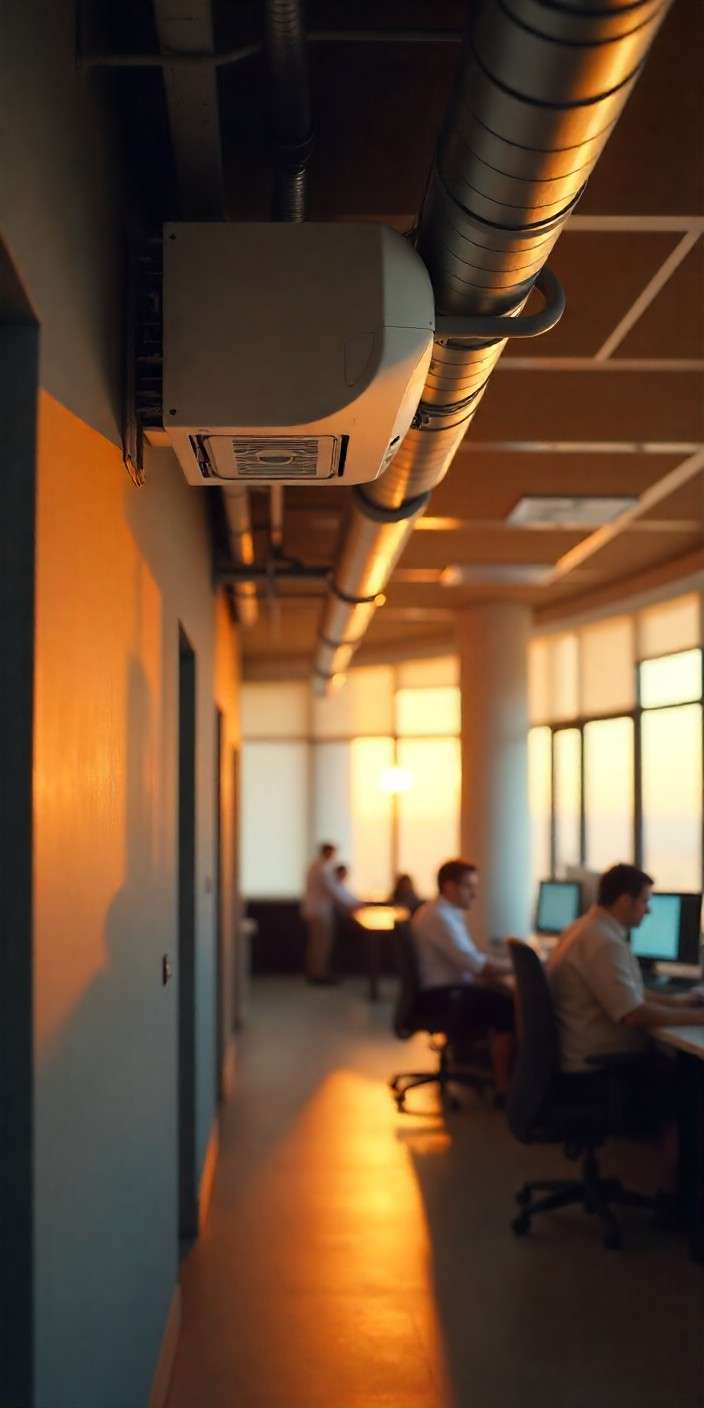
In today’s world, where indoor air quality is becoming a growing concern, the role of HVAC (Heating, Ventilation, and Air Conditioning) systems in maintaining a healthy environment cannot be overstated. With the advancement of technology, HVAC systems now come equipped with air purification capabilities, promising cleaner and safer air for occupants. But how exactly does this technology work? Let’s delve into the science behind HVAC air purification and understand its mechanisms.
Understanding Air Purification
Air purification in HVAC systems involves the removal of contaminants, such as dust, allergens, bacteria, viruses, and volatile organic compounds (VOCs), from the air circulating within a building. This process not only enhances indoor air quality but also contributes to the overall health and well-being of occupants.
Filtration Systems
One of the primary methods employed in HVAC air purification is filtration. These systems utilize various types of filters, such as HEPA (High-Efficiency Particulate Air) filters, activated carbon filters, and electrostatic filters, to trap particles of different sizes. HEPA filters, for instance, are highly effective in capturing microscopic particles as small as 0.3 microns, including pollen, pet dander, and smoke.
Activated carbon filters excel in adsorbing odors, gases, and chemical pollutants, thanks to their porous structure and high surface area. Electrostatic filters, on the other hand, use an electric charge to attract and capture airborne particles, making them ideal for trapping fine particles like dust and mold spores.
UV-C Germicidal Irradiation
Another innovative technology employed in HVAC air purification is UV-C germicidal irradiation. UV-C light, a short wavelength of ultraviolet light, is known for its germicidal properties. When integrated into HVAC systems, UV-C lamps emit this light to disinfect the air by destroying the DNA of microorganisms, including bacteria, viruses, and mold spores, rendering them harmless.
UV-C irradiation is particularly effective in preventing the spread of airborne pathogens, making it a valuable addition to air purification systems, especially in healthcare facilities, schools, and commercial buildings.
Ionization Technology
Ionization technology is gaining popularity in HVAC air purification due to its ability to neutralize airborne contaminants. This technology works by emitting charged ions into the air, which then attach themselves to particles, causing them to clump together and become larger. These larger particles are easier to capture by filters or gravitational settling, effectively removing them from the air stream.
Photocatalytic Oxidation (PCO)
Photocatalytic oxidation is a cutting-edge technology that harnesses the power of UV light and a catalyst, typically titanium dioxide (TiO2), to oxidize and decompose organic and inorganic pollutants in the air. When UV light reacts with the catalyst, it triggers a chemical reaction that breaks down volatile organic compounds (VOCs), odors, and other harmful substances into harmless byproducts like carbon dioxide and water vapor.
Conclusion
In conclusion, HVAC air purification employs a combination of advanced technologies to ensure cleaner, healthier indoor air quality. From filtration systems and UV-C germicidal irradiation to ionization technology and photocatalytic oxidation, these mechanisms work synergistically to remove contaminants and improve the overall comfort and well-being of occupants.
At MG Cooling Solutions, we understand the importance of air purification in HVAC systems and strive to integrate the latest technologies to deliver superior indoor air quality solutions. With our expertise and commitment to innovation, we aim to create environments that promote health, productivity, and comfort for all.
Don’t miss:- Demystifying Precision Air Conditioning: How It Keeps Data Centers Cool