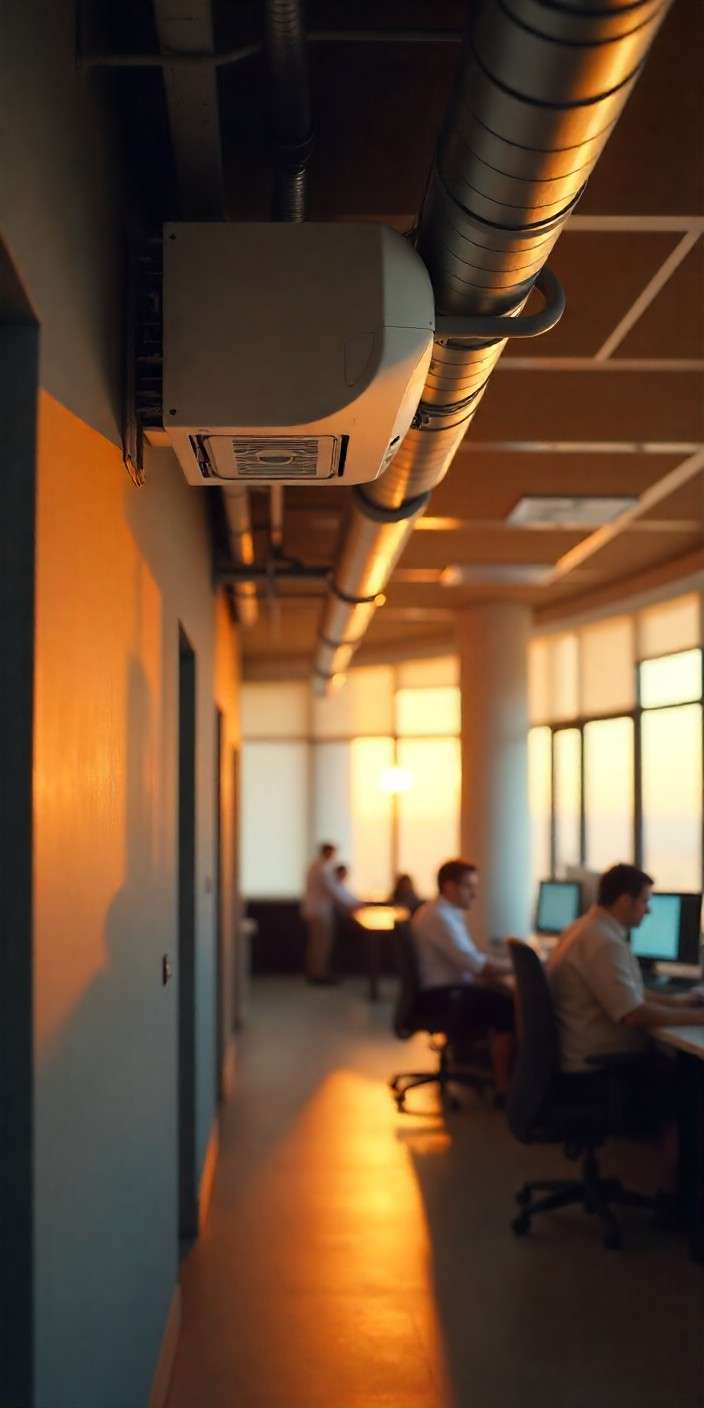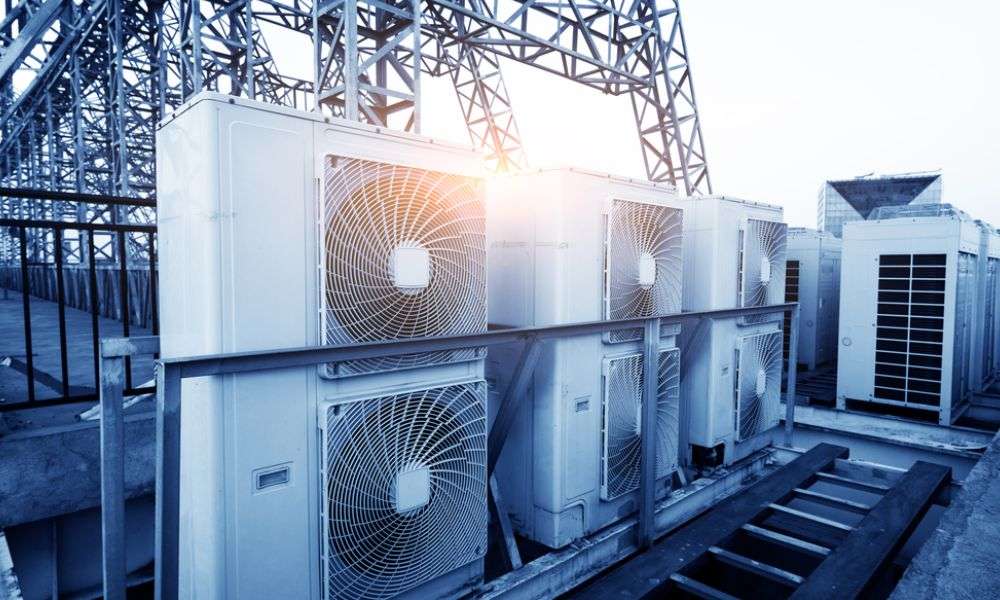
In the pursuit of sustainability and environmental responsibility, commercial buildings play a significant role in reducing energy consumption and minimizing their carbon footprint. Among the various systems within a commercial building, the HVAC (Heating, Ventilation, and Air Conditioning) system holds immense potential for promoting sustainability and achieving green certifications. Let’s delve into the pivotal role of commercial HVAC systems in building sustainability and green certification.
Enhancing Energy Efficiency
One of the primary objectives of sustainable building design is to optimize energy efficiency, and the HVAC system is a key contributor to achieving this goal. Modern commercial HVAC systems are designed with advanced technologies such as variable refrigerant flow (VRF), energy-efficient heat pumps, and smart controls. These technologies enable precise temperature control, reduce energy wastage, and minimize operational costs.
Implementing Renewable Energy Integration
To further enhance sustainability, commercial buildings can integrate renewable energy sources such as solar panels or geothermal systems into their HVAC infrastructure. By harnessing renewable energy, buildings can reduce their reliance on fossil fuels, decrease greenhouse gas emissions, and contribute to a cleaner, more sustainable future.
Promoting Indoor Air Quality
Indoor air quality (IAQ) is crucial for occupant health, productivity, and comfort. Sustainable HVAC systems prioritize IAQ by incorporating advanced filtration, ventilation, and purification technologies. High-efficiency particulate air (HEPA) filters, carbon filtration, and UV-C germicidal lamps help remove contaminants, allergens, and pathogens from the indoor air, creating a healthier and more productive work environment.
Minimizing Environmental Impact
Commercial HVAC systems can significantly impact the environment through their energy consumption, refrigerant usage, and maintenance practices. Sustainable HVAC design focuses on minimizing environmental impact by selecting energy-efficient equipment, using eco-friendly refrigerants with low global warming potential (GWP), and implementing proper maintenance and disposal practices to prevent leaks and emissions.
Achieving Green Building Certifications
Green building certifications such as LEED (Leadership in Energy and Environmental Design) or ENERGY STAR recognize buildings that demonstrate exceptional sustainability performance. Commercial HVAC systems play a vital role in achieving these certifications by meeting stringent energy efficiency, IAQ, and environmental criteria. Buildings with sustainable HVAC designs are more likely to qualify for green certifications, enhancing their marketability and value.
MG Cooling Solutions: Driving Sustainable HVAC Solutions
When it comes to sustainable HVAC solutions, MG Cooling Solutions stands as a leader in innovation and excellence. With a commitment to environmental stewardship and energy efficiency, MGCS offers a diverse range of cutting-edge HVAC technologies tailored to meet the sustainability goals of commercial buildings.
From energy-efficient chillers and heat pumps to advanced control systems and renewable energy integration, MGCS provides comprehensive solutions that prioritize sustainability without compromising performance or comfort. With a team of skilled engineers and technicians, the company delivers customized HVAC designs, installations, and maintenance services to ensure optimal efficiency and environmental responsibility.
Wrapping Up
Commercial HVAC systems play a crucial role in building sustainability and achieving green certifications. By prioritizing energy efficiency, indoor air quality, and environmental responsibility, sustainable HVAC designs contribute to a healthier, more efficient, and environmentally friendly built environment. With MG Cooling Solutions leading the way in sustainable HVAC solutions, commercial buildings can embrace sustainability with confidence, paving the way for a greener future.
Don’t Miss: How to Select the Right Air Purification System for Your HVAC System?