The Annual Winter Air Crisis
Every winter, Delhi-NCR faces a predictable air quality crisis. By late October, smog begins to blanket the city, and AQI levels often shoot into the “very poor” and “severe” categories. Last year, some days recorded AQI readings of over 900 almost double the scale’s upper limit. For employees spending eight to ten hours inside office buildings, this is not just uncomfortable, it is dangerous.
Indoors Can Be More Polluted Than Outdoors
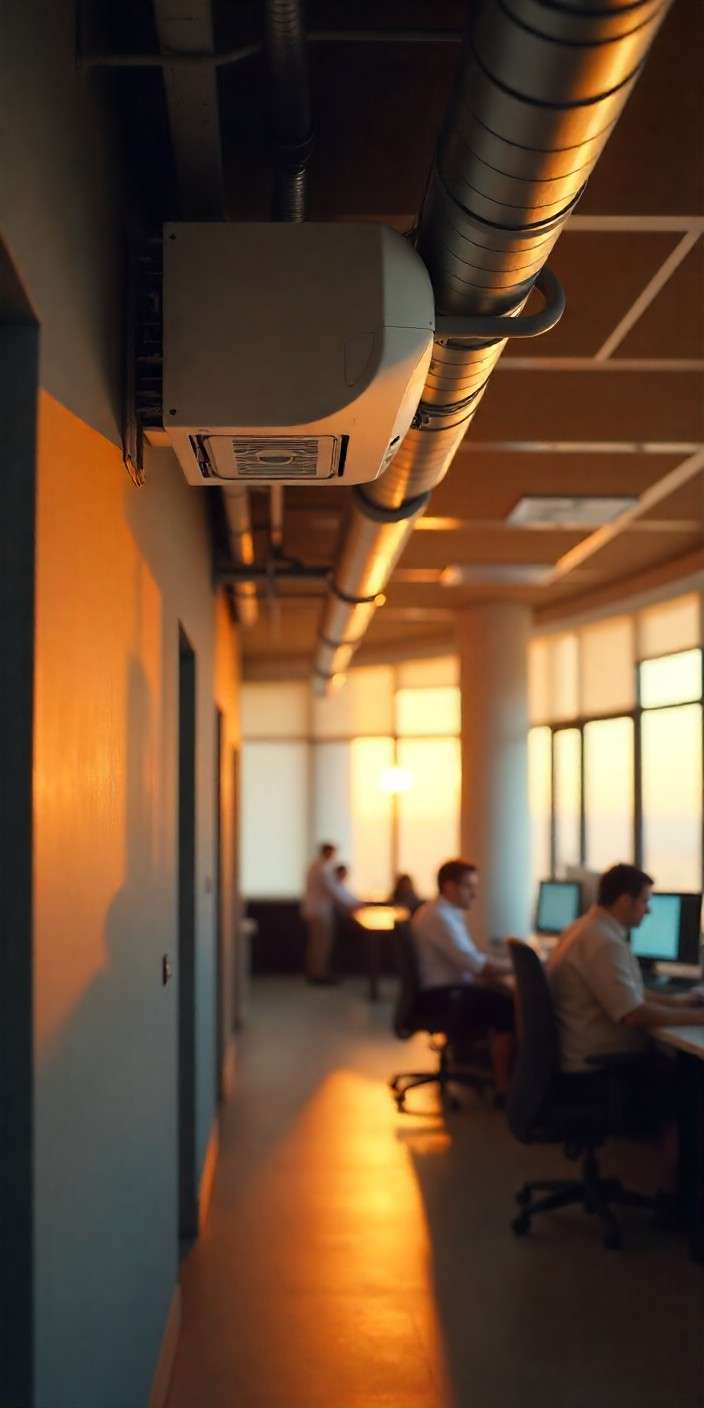
Many assume that being indoors automatically protects them from outdoor pollution. In reality, indoor air can be two to five times more polluted than what we breathe outside. Poorly maintained HVAC systems, recirculated air, leaks in ducts, and a lack of proper filtration allow outdoor pollutants to infiltrate buildings. Add to this the impact of indoor sources like cleaning chemicals, office furniture emissions, and carbon dioxide buildup from occupants, and the result is an environment that silently harms health.
What Safe Indoor Air Really Means
Safe air quality indoors means maintaining AQI below 50 the “good” category where health risks are minimal. WHO guidelines recommend PM2.5 exposure below 15 micrograms per cubic meter over 24 hours. Unfortunately, most offices in Delhi-NCR fall short of these standards during the smog months. The impact is felt immediately in the form of more sick leaves, respiratory discomfort, and reduced productivity. Over the longer term, poor indoor air erodes employee trust and damages the employer brand.
How Corporates Can Correct the Problem
The good news is that the situation can be corrected with the right strategy. The process starts with measuring what really matters. Installing reliable sensors to monitor PM2.5, carbon dioxide, and VOCs provides the baseline data. From there, corporates can retrofit air handling units with high-efficiency filters, add activated carbon modules, and seal leakage points. Portable HEPA systems can be deployed in meeting rooms and high-density spaces to give an extra layer of protection. Real-time dashboards allow facility managers and HR leaders to track progress and respond quickly on severe days.
What MG Cooling Solutions Delivers
At MG Cooling Solutions, we deliver end-to-end programs that help corporates achieve indoor AQI below 50 even when the outdoors are at their worst. Our approach combines audits, AHU upgrades, advanced filtration, portable purification, and ongoing monitoring. The result is healthier employees, lower absenteeism, and stronger productivity during the most challenging months of the year.
The Time to Act is Now
This September is the right time to act. Waiting until the smog arrives means higher costs and rushed fixes. By preparing now, corporates can ensure that their teams breathe safe air all winter long.
Don’t Miss: Occupancy-Driven Cooling – A Practical Guide
Conclusion
Poor indoor air quality (AQI) directly impacts employee health, productivity, and corporate reputation. For Delhi-NCR companies, acting now is not optional – it’s a necessity. By investing in cleaner workplaces, corporates safeguard their workforce, reduce long-term healthcare costs, and demonstrate responsibility, building a healthier, sustainable, and future-ready business environment.
Book your free AQI assessment with MG Cooling Solutions today and let us help you create a workplace where clean, safe air is the norm.