Asthma is a chronic lung disease that affects millions of people around the world. It can cause difficulty breathing, wheezing, coughing, and tightness in the chest. While there are effective treatments for managing asthma symptoms, air quality is an important factor to consider when trying to reduce asthma flare-ups. In this blog, we will explore how air quality can affect asthma and what you can do to improve it.
Air pollution is one of the most common triggers of asthma symptoms and can vary depending on the season or location. Common air pollutants include ozone, dust, smoke, pollen, and mold spores. Pollutants in the air can irritate the lungs and cause inflammation that leads to an asthma attack. In addition, air quality can be affected by temperature changes, humidity, and air pressure.
Poor air quality can also be caused by indoor sources such as dust mites, pet dander, cleaning chemicals, and smoking. To reduce the presence of these pollutants in your home or workplace, make sure to regularly clean and vacuum carpets and furniture. Additionally, you can use an air purifier or dehumidifier to reduce the levels of airborne particles.
It is important to be aware of air quality in your area, and how it may affect your asthma symptoms. Many communities monitor air quality and provide a daily report on the levels of pollutants in the air. In addition, you can use an app or website to get more detailed information about local air quality. This can help you plan outdoor activities accordingly and take precautions when necessary.
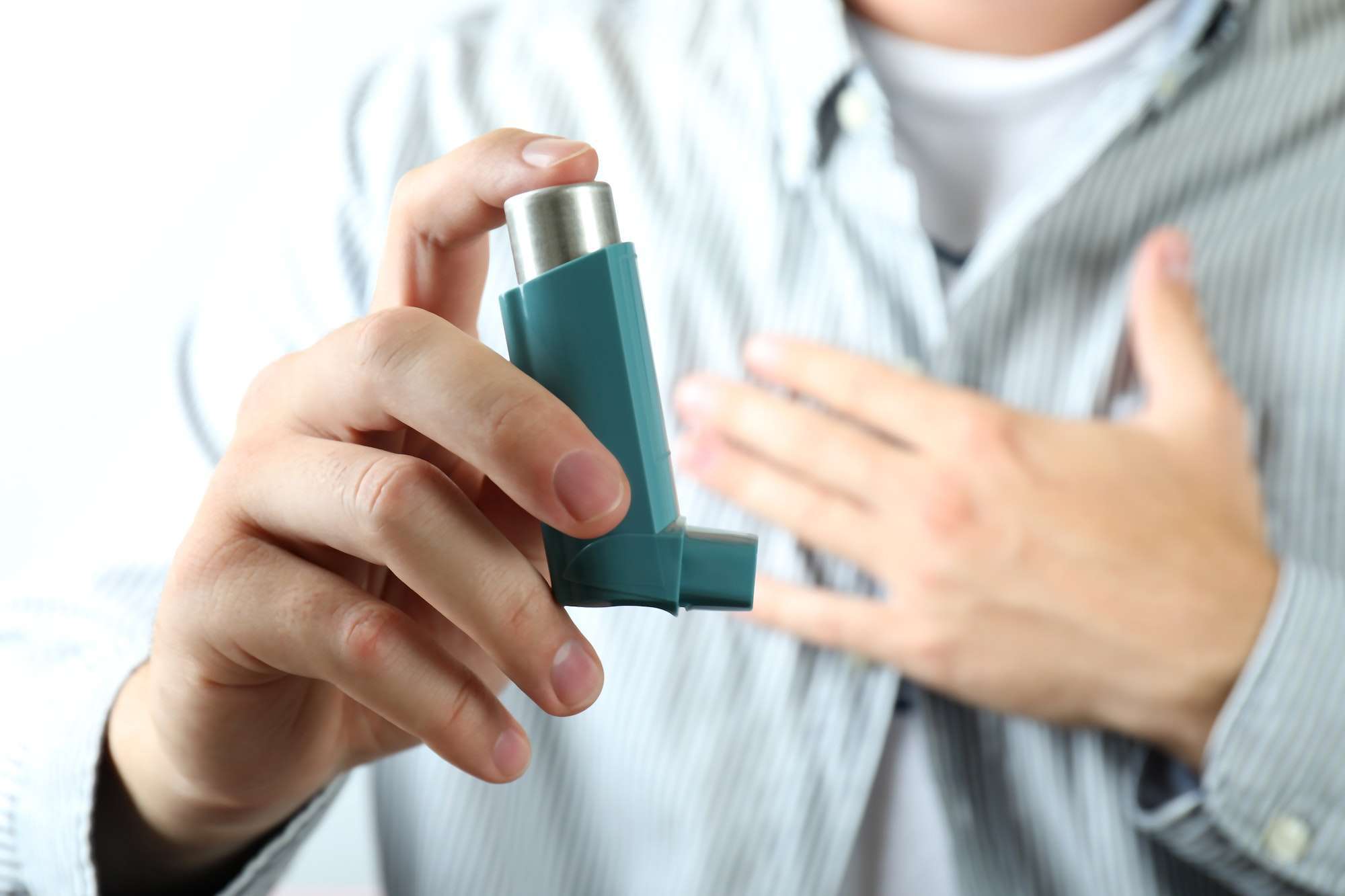

When it comes to managing asthma, medication is another important factor to consider. Inhaled corticosteroids are the most used drugs for treating asthma and can help reduce airway inflammation and prevent asthma attacks. Long-acting bronchodilators can also be used to relieve symptoms and improve lung function. Additionally, other medications can be taken regularly or as needed, depending on the severity of your symptoms.
Ventilation is also important when it comes to managing asthma and air quality. Opening windows and doors can help to improve ventilation, especially during times when air pollution levels are high. Additionally, you can use fans or an air purifier to circulate clean air through your home or office.
Airborne allergens can also trigger asthma symptoms, and it is important to take steps to reduce their presence in your environment. Allergic reactions can be triggered by dust mites, pet dander, and mold spores. To reduce the presence of these allergens in your home or workplace, use an air purifier to remove them from the air. Additionally, make sure to regularly clean carpets, curtains, and furniture to reduce the levels of dust and other allergens. You can also have an HVAC technician inspect your air ducts and perform regular maintenance to ensure the air in your home is clean and free of allergens. HEPA filters can also be used to reduce the number of allergens and pollutants in the air.
Finally, it is important to remember that everyone’s asthma is different. While there are many steps you can take to improve air quality and reduce your symptoms, only you know what works best for your situation. Make sure to speak with your doctor about your specific needs and any questions or concerns you may have
Asthma is a serious condition that can have a significant impact on your quality of life. By understanding how air quality can affect asthma, you can take steps to reduce your risk of asthma attacks and improve your overall health. Additionally, make sure to speak with your doctor about the best treatment plan for managing your asthma symptoms.
By understanding asthma and air quality, you can help reduce your risk of an attack and improve your overall health. Taking steps to reduce exposure to pollutants, recognizing and avoiding potential triggers, and following a prescribed treatment plan are all important for managing asthma symptoms. With the right knowledge and proactive approach, you can live a healthier life with asthma.
There are also steps you can take to help reduce asthma symptoms when air quality is low. Staying indoors and avoiding exposure to outdoor pollutants can be beneficial, as well as using a respirator mask when necessary. Additionally, some medications, such as corticosteroid inhalers, can help reduce inflammation and make breathing easier. Finally, it is important to keep your home environment free of irritants and allergens, as this can help prevent asthma flare-ups.
It is also important to be aware of the other potential triggers for an asthma attack. Allergens such as pollen, pet dander, and dust mites can cause an increase in asthma symptoms. Cigarette smoke, cold air, strong odors, and physical exertion can also trigger an asthma attack. Recognizing and avoiding these triggers can help you manage your asthma more effectively.
It is essential to understand your asthma symptoms and how air quality can influence your condition. Keeping an asthma diary can help you to track changes in symptoms and make necessary adjustments to your lifestyle or treatment plan. Additionally, discussing any concerns with your doctor can help you determine the best course of action for managing your asthma.
In conclusion, air quality is an important factor for people with asthma to consider when trying to control their symptoms. By being aware of the levels of pollutants in the air and taking steps to reduce exposure, you can help reduce your risk of an asthma attack.
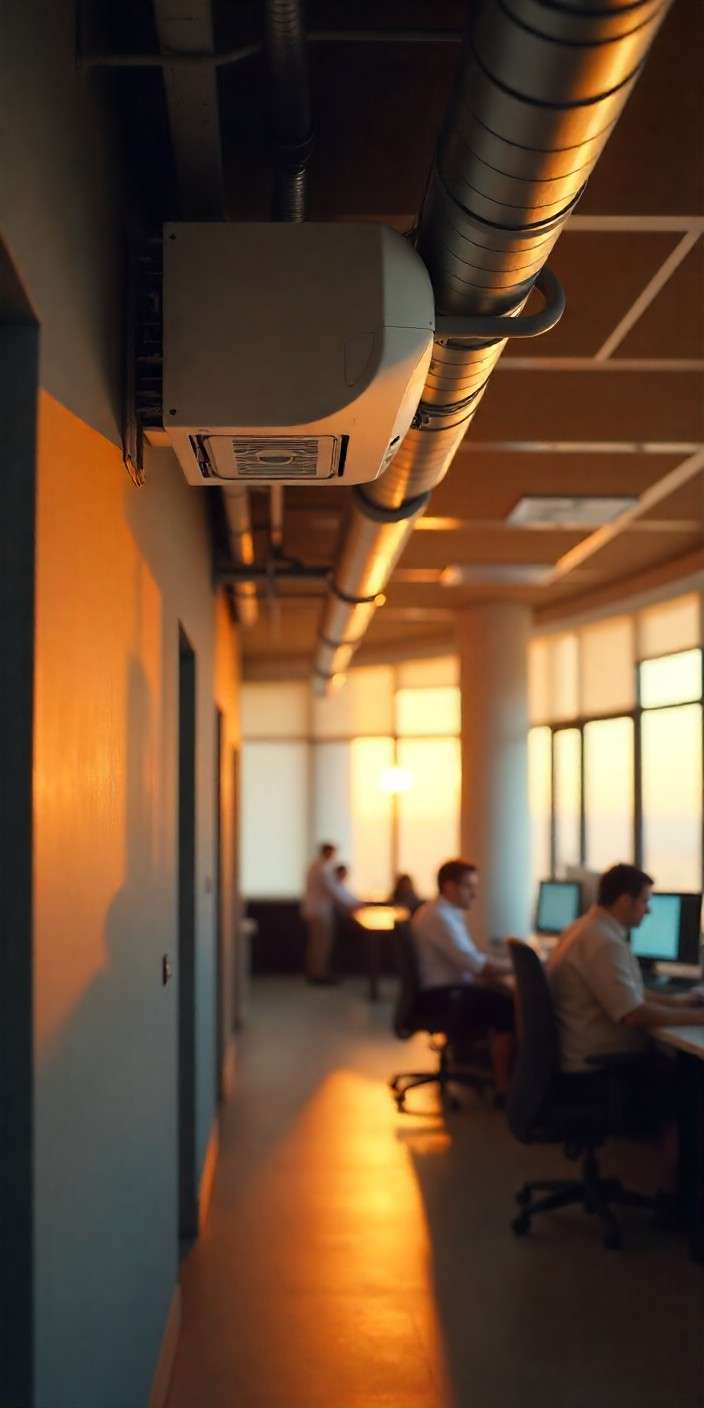
To improve indoor air quality, you can invest in a good HVAC system, regularly clean and vacuum carpets, and furniture, and use an air purifier or dehumidifier. HVAC systems are designed to filter out airborne particles and regulate temperature and humidity. A good HVAC system helps reduce the number of indoor pollutants and irritants, making it easier to manage symptoms.
A good HVAC system is an important investment for anyone with asthma, as it can help reduce airway inflammation and improve breathing. MGCS is dedicated to helping people with asthma better understand their condition and take proactive steps toward improving air quality. MGCS provides comprehensive HVAC services, educational resources, and guidance for those with Asthma and Air Quality. We understand the importance of good air quality to those with asthma and are committed to helping you breathe easier.