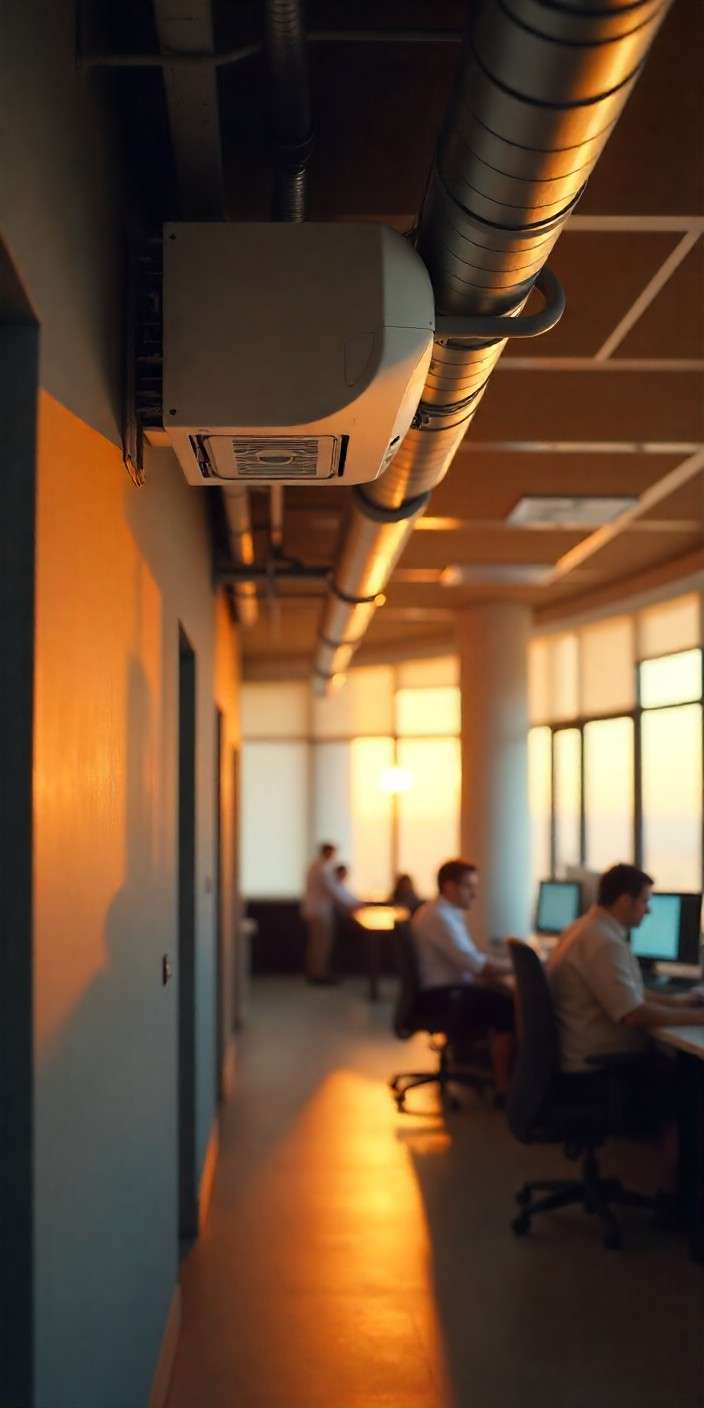
In today’s fast-paced world, commercial buildings are increasingly turning to automated HVAC (Heating, Ventilation, and Air Conditioning) systems to enhance efficiency, comfort, and sustainability. These advanced systems offer a range of features that not only optimize energy consumption but also improve indoor air quality and reduce operational costs. In this blog post, we’ll explore the top features of automated HVAC systems that make them indispensable for modern commercial buildings.

1. Smart Thermostats and Sensors
One of the standout features of automated HVAC systems is the integration of smart thermostats and sensors. These devices are designed to monitor and adjust the temperature in real-time based on occupancy, time of day, and external weather conditions. For instance, smart thermostats can learn the preferences of the building’s occupants and adjust the temperature accordingly, ensuring a comfortable environment without wasting energy.
Sensors, on the other hand, play a crucial role in detecting changes in temperature, humidity, and air quality. They can also detect occupancy, which allows the system to reduce heating or cooling in unoccupied areas, further saving energy. The combination of smart thermostats and sensors ensures that the HVAC system operates efficiently, maintaining optimal indoor conditions with minimal manual intervention.
2. Energy Management and Optimization
These systems come equipped with energy management features that allow for precise control over energy consumption. For example, they can adjust heating, cooling, and ventilation based on the building’s current energy usage and demand.
Moreover, automated HVAC systems can be integrated with energy management software, providing detailed insights into energy consumption patterns. This data can be used to identify inefficiencies and optimize the system’s performance. Additionally, some systems offer demand response capabilities, which allow them to adjust energy usage during peak demand periods, reducing costs and strain on the grid.
3. Remote Monitoring and Control
The ability to remotely monitor and control HVAC systems is another significant advantage of automation. Building managers can access the system from anywhere using a smartphone, tablet, or computer, allowing them to make adjustments on the go. This feature is particularly beneficial for large commercial buildings with multiple zones, as it enables centralized control of the entire HVAC system.
Remote monitoring also provides real-time alerts and notifications if any issues arise, such as equipment malfunctions or unusual energy consumption patterns. This proactive approach to maintenance can prevent costly repairs and downtime, ensuring that the HVAC system operates smoothly at all times.
4. Integration with Building Management Systems (BMS)
Automated HVAC systems are often integrated with Building Management Systems (BMS), creating a unified platform for managing various building functions. This integration allows for seamless communication between the HVAC system and other building systems, such as lighting, security, and fire safety.
By integrating with BMS, the HVAC system can respond to changes in the building’s environment more effectively. For example, the system can adjust ventilation rates based on occupancy data from the security system or reduce cooling in areas where lights have been turned off. This holistic approach to building management enhances overall efficiency and ensures that all systems work together harmoniously.
5. Predictive Maintenance and Analytics
One of the most advanced features of automated HVAC systems is predictive maintenance. By leveraging data from sensors and monitoring equipment, these systems can predict when maintenance is needed before a failure occurs. This proactive maintenance approach not only extends the lifespan of HVAC equipment but also reduces the likelihood of unexpected breakdowns.
Predictive analytics also allow building managers to track the performance of the HVAC system over time. This data can be used to identify trends, optimize system settings, and make informed decisions about upgrades or replacements. By keeping the system running at peak efficiency, predictive maintenance can lead to significant cost savings and improved reliability.
6. Enhanced Air Quality Control
Indoor air quality is a critical aspect of any commercial building, and automated HVAC systems are equipped with features that help maintain a healthy environment. These systems can monitor and control air quality parameters such as CO2 levels, humidity, and particulate matter.
Automated HVAC systems can also adjust ventilation rates to ensure that fresh air is circulated throughout the building, reducing the risk of airborne contaminants. In addition, some systems offer air purification features, such as UV-C light or HEPA filtration, which can further improve indoor air quality. By maintaining optimal air quality, these systems contribute to the well-being of building occupants and help meet regulatory standards.
7. Scalability and Customization
Commercial buildings come in all shapes and sizes, and automated HVAC systems are designed to be scalable and customizable to meet the specific needs of each building. Whether it’s a small office or a large industrial facility, these systems can be tailored to provide the right level of heating, cooling, and ventilation.
Customization options include the ability to create different zones within the building, each with its own temperature and airflow settings. This zoned approach allows for more precise control over the environment, ensuring that each area of the building is comfortable and energy-efficient.
MG Cooling Solutions
MG Cooling Solutions delivers advanced IoT-based HVAC automation, transforming the way commercial spaces manage climate control. Our systems leverage real-time data and smart technology to automate heating, ventilation, and air conditioning, ensuring optimal energy efficiency and comfort. With remote monitoring and intelligent insights, our IoT-driven solutions reduce operational costs and enhance system reliability. Choose MG Cooling Solutions for innovative, connected HVAC automation that keeps your environment smart and sustainable.
Wrapping Up
Automated HVAC systems are revolutionizing the way commercial buildings manage heating, cooling, and ventilation. With features such as smart thermostats, energy management, remote monitoring, integration with BMS, predictive maintenance, enhanced air quality control, and scalability, these systems offer unparalleled efficiency, comfort, and reliability. As technology continues to advance, we can expect automated HVAC systems to play an even more significant role in creating sustainable and intelligent commercial buildings.
Don’t Miss: Integrating HVAC Automation with Home Automation Systems