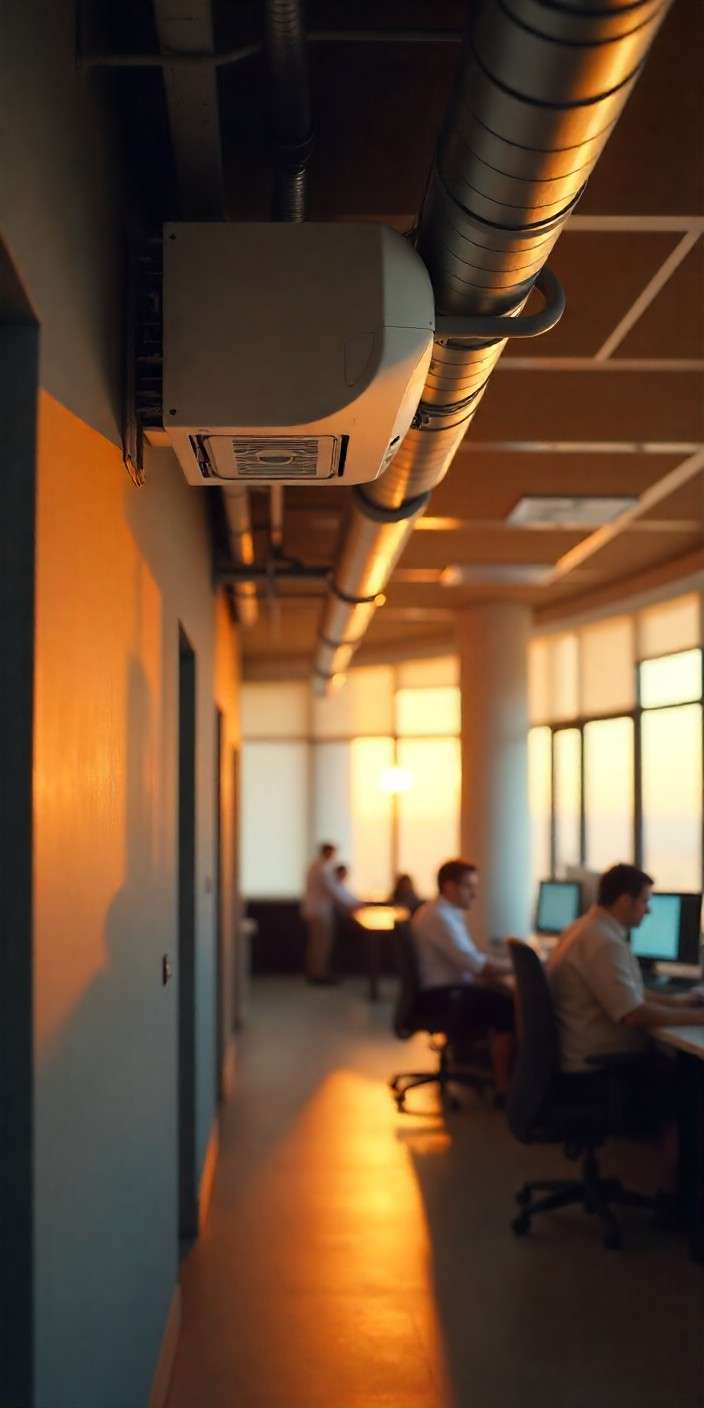
Have you ever entered a room and felt uneasy as soon as you felt the air in there? Perhaps there was a damp smell or a dense atmosphere that bothered you. If so, you have already felt the effects of inadequate ventilation. But what precisely is ventilation, and why is it important to preserve indoor air quality?
Ventilation refers to exchanging air within a space, whether a home, office or any other enclosed environment. It involves bringing in fresh outdoor air while simultaneously removing stale indoor air. This simple yet essential mechanism serves a vital purpose beyond just preventing stuffiness.
Indoor air quality heavily relies on proper ventilation. Pollutants and contaminants can accumulate without adequate airflow, creating an unhealthy environment. Imagine breathing in recycled air filled with dust, allergens, chemicals, and even microorganisms. It’s not only unpleasant but also poses potential health risks, especially for those with respiratory conditions or allergies.
This is where proper ventilation systems, like those offered by MG Cooling Solutions are critical. These systems keep the indoor environment clean and comfortable, guaranteeing a steady flow of fresh air while effectively removing impurities. MGCS provides support for maintenance of ideal humidity levels, the reduction of harmful substance concentrations, and odour elimination using technologically advanced filtration and circulation processes in their HVAC systems that are designed with expert level calculations for proper ventilation and cooling spaces.
Overview of the Problem
Indoor air quality is a significant concern in large commercial spaces such as malls and office spaces. As these spaces accommodate a high volume of people, the air can quickly become contaminated with various pollutants and infectious agents. Inadequate ventilation exacerbates this problem, leading to what is commonly known as “sick building syndrome.”
Mechanical ventilation systems are crucial in improving indoor air quality by effectively removing and diluting indoor pollutants. These systems ensure a constant supply of fresh air while efficiently eliminating stale air.
Having an efficient ventilation system is evidently important to regulate the surrounding atmosphere, which leads us to ask, which ventilation system do we call an efficient one?
Investing in high-quality ventilation technology capable of efficiently filtering out biological contaminants and pollutants is essential. This ensures that the air circulating within the building is clean and safe. The best ventilation systems are also energy-efficient, reducing energy consumption and the environmental impact of commercial spaces. By minimizing the need for mechanical cooling, these systems improve overall air quality and the long-term sustainability of buildings.
Effects of Poor Ventilation on Health and Comfort
Poor ventilation in closed spaces often have detrimental effects on our health if we spend long hours in them. Not only carbon dioxide, but our atmosphere also contains moisture, and air pollutants that may include volatile organic compounds (VOCs).
Limited ventilation can lead to a buildup of these indoor pollutants and breathing in such high concentrations over an extended period can lead to respiratory problems, allergies, and even chronic diseases. If you spend a significant amount of your time of your day in spaces with poor ventilation, it can heavily impact and contribute to the spread of infectious agents, increasing the risk of respiratory infections and illness transmission among occupants.
Insufficient ventilation can result in uncomfortable air in buildings, leading to decreased productivity and well-being. Increased temperature and humidity levels can cause discomfort, fatigue, and difficulty concentrating.


Sick Building Syndrome
Sick Building Syndrome (SBS) is a prevalent condition that affects individuals in various indoor environments, such as office buildings and residential spaces. SBS is primarily caused by inadequate ventilation, which results in the accumulation of indoor pollutants and contaminants. These harmful substances, including infectious agents and chemical compounds, can harm human health.
Implementing effective ventilation systems is crucial to combat SBS and improve indoor air quality. Mechanical ventilation, a commonly used technique, involves the use of mechanical systems to circulate fresh air throughout the building. This helps to reduce the concentration of indoor pollutants and replenish the space with clean air.
MG Cooling Solutions stand out as a reliable and energy-efficient option among the various mechanical ventilation solutions. These systems not only remove contaminants but also reduce energy consumption and maintenance costs. MG Cooling Solutions creates a healthier and more comfortable living or working environment by optimising environmental conditions and thermal environments.
Mechanical Ventilation Systems
Mechanical ventilation systems play a crucial role in improving indoor air quality by effectively removing indoor pollutants and replenishing fresh air. The theory of ventilation design has changed to emphasise the necessity of sufficient airflow and environmental management as construction methods and health concerns have advanced.
Natural ventilation was traditionally the main technique for improving interior air quality. Mechanical ventilation systems were created as a result of worries about energy consumption, public structures, and the inability to regulate external contaminants.
These systems use fans and air conditioning units to circulate and filter air, ensuring a clean and healthy indoor environment.
Indoor air pollutants, such as biological contaminants and infectious agents, can result in the sick building syndrome and respiratory health issues. Mechanical ventilation systems help mitigate these risks by continuously exchanging and filtering air, removing harmful substances. Additionally, these systems can improve energy efficiency by optimizing air circulation, reducing energy usage and maintenance costs.
In summary, mechanical ventilation systems are vital for maintaining indoor air quality, particularly in office buildings, commercial buildings, and residential structures. By ensuring adequate airflow and environmental control, these systems help create a healthier and more comfortable indoor environment while also reducing energy consumption and costs.
MG Cooling Solutions for Improved Ventilation and Air Quality
MG Cooling Solutions offers a comprehensive range of services aimed at improving ventilation and air quality in various indoor environments. With their expertise in heating, ventilation, and air conditioning (HVAC) systems, MG Cooling Solutions ensures that all installations are carried out pragmatically in accordance with the developed design.
One of the key services MG Cooling Solutions provides is the installation of AHU (Air Handling Units). These units are responsible for circulating and purifying the air in commercial, residential, and public buildings, ensuring a clean and healthy indoor environment.
Additionally, MG Cooling Solutions handles the installation of ductwork, MS piping, copper piping, nitrile insulation, VRF & VRV systems, and duct-able units. With our UVGI Based Air Disinfection & Air Purification Solutions, MGCS makes the office environment Microbes, Bacteria, Viruses Free.
By incorporating high-quality ventilation systems, MG Cooling Solutions helps to combat inadequate ventilation, which can lead to poor air quality and various health issues. With their expertise, they ensure proper ventilation, effectively removing indoor pollutants, biological contaminants, and infectious agents from the air.
MG Cooling Solutions’ dedication to energy efficiency is evident in their installations. They help lower energy consumption and environmental impact while also lowering maintenance costs by utilising energy-efficient systems and components. This enhances the respiratory health of the residents while also improving the environment as a whole.
The ventilation and interior air quality are greatly enhanced with MG Cooling Solutions. Our expert led teams’ knowledge of HVAC systems guarantees effective air circulation and purification in an array of indoor conditions. MG Cooling Solutions is a trusted partner in guaranteeing the best air quality and ventilation for commercial and public buildings because to their energy-efficient solutions and dedication to upholding a healthy indoor atmosphere.
FAQs
What is the importance of ventilation in HVAC system?
Humidity Regulation: HVAC systems can control the humidity levels in a space. Excess humidity can lead to mold growth and discomfort, while low humidity can cause dryness and respiratory problems. The HVAC system helps maintain an optimal humidity level for occupant comfort and prevents issues associated with extreme humidity.
Energy Efficiency: HVAC ducted systems are designed to be energy-efficient, helping to reduce energy consumption and operational costs. They incorporate programmable thermostats, zone controls, and variable speed motors, which optimize energy usage based on specific needs and occupancy patterns.
What is the ventilation process in detail as a part of HVAC?
The HVAC system sends warm or cool air into a room through ducts. This air replaces the existing air in the room, which is then pushed out of the room through different ducts. The pushed-out air is collected in a central area called the return plenum. Depending on the type of HVAC system, the returned air is either directed outside through a pipe or filtered and sent back through the heating or cooling process. Essentially, the HVAC system continuously circulates air, adjusting its temperature, and keeping the room comfortable.