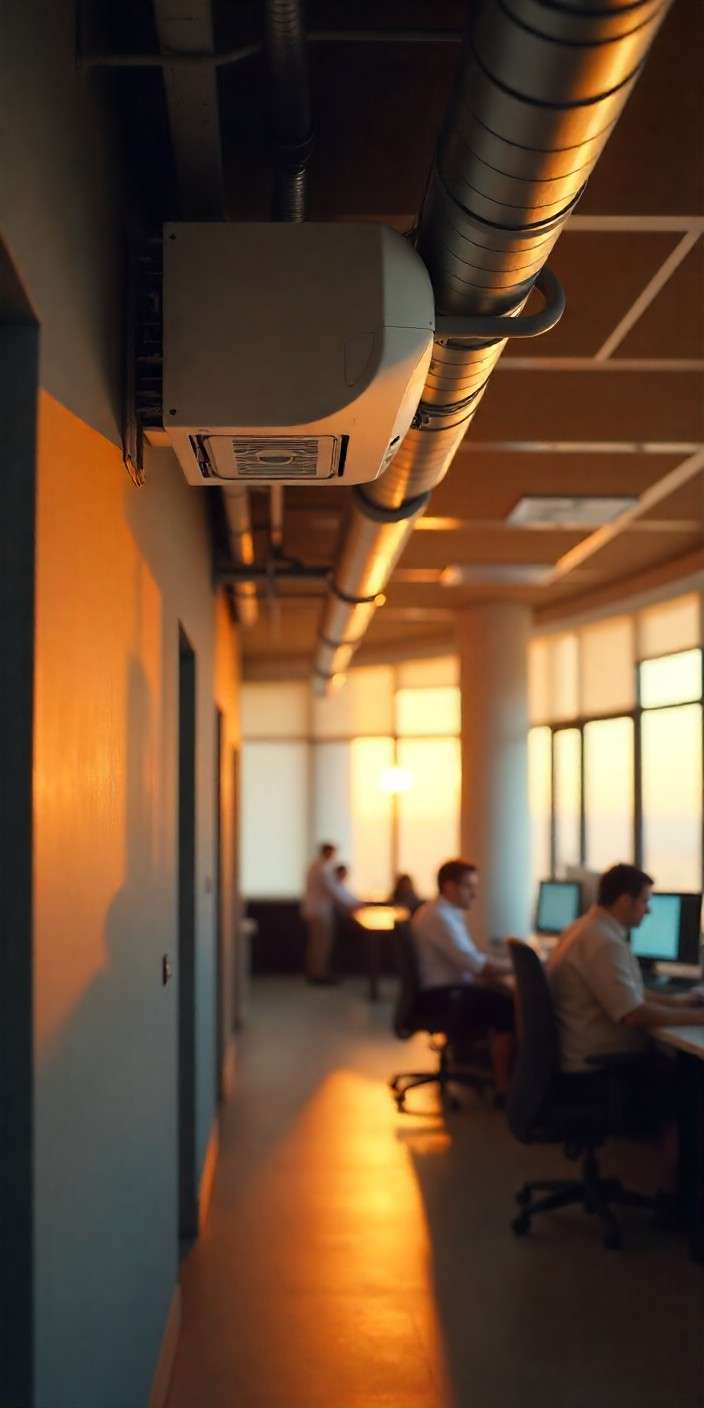
Air conditioning is considered as energy intensive and a source of carbon emissions. Now days, air conditioning system is essential for buildings and commercials to make everyone comfortable inside it. With time and changing demand, energy efficient air conditioners are also invented to reduce global warming accelerates. Reduction in the power consumption by air conditioners will also result in to reduction in carbon emission. These tips can help to make air conditioning systems working optimally and energy efficient.
Effective usage
Proper guidance to the users on efficient usage of air conditioning system is crucial which can be provided by professionals such as keeping curtains or blinds closed to get rid of some amount of heat from warming your home. It should only run when one using the room otherwise it should be turned off.
Insulate the space
Make sure that unconditioned space is properly sealed so it doesn’t leak any of conditioned air. The building itself should be well insulated which prevents the building from warming up and escaping cold air as well. In case air conditioner is an outdoor unit, pipes must be quality lagging.
Compare power consumption
Compare input and output power consumption in kilowatts (kW) for different models. Different models have different labels with 1-6 rating stars for cooling and heating efficiency. More efficient air conditioners have 7-10 star rating.
Clean indoor and outdoor unit
Air conditioning system will work more efficiently if it’s indoor and outdoor units are clean and clear of debris to maintain a steady airflow from your system. It can be performed by oneself or with the help of some professional.
Service and Maintenance
In order to improve the efficiency of air conditioning system, it must be serviced properly and frequently. Regular cleaning of fans and heat exchangers can improve the efficiency and lifespan of air conditioning system up to 50%. It must be checked by a specialist at least once a year.
Avoid heat producing appliances
If you are running any heat producing appliances such as dryer, oven or lamps at home then it will create additional warm air in home which will cause air conditioner to work harder and longer. Hence it’s better to avoid any heat producing appliances at home while using air conditioning system.
Select the right size
It’s really important to install the right air conditioner in professional manner for having optimal performance. While under sizing the system will result into extra work using more energy and degrading the system’s operational life. Over sizing the system may result to more energy consumption and sub-optimal operation.
Air conditioning system control
There are a lot of options to consider such as a central operated control, a simple thermostat control the whole area and a de-centralized control for each area. Each one of them has pros and cons so one can select according to their needs.
Replace old air conditioner
Replace an older model with energy-efficient air conditioning systems saves around 40% energy. Select an air conditioner with ENERGYSTAR label by comparing Energy Guide labels. Air conditioners with these labels are around 10% more efficient.
Using programmable thermostat
One can adjust the thermostat temperatures by 5 – 8 degrees (low in winter/high in summer). Thermostat with a built-in timer can be used to set the temperature and hours of operation for maximum energy efficiency. A programmable thermostat can automatically turn on the air conditioning system before people arrive and turn it off before they leave will save money and energy.
Using energy management system
If air conditioning system cannot be controlled using timers and thermostats then one can use energy management system with which cooling and heating temperatures in different zones, optimum equipment start, stop time and other function can be managed easily.