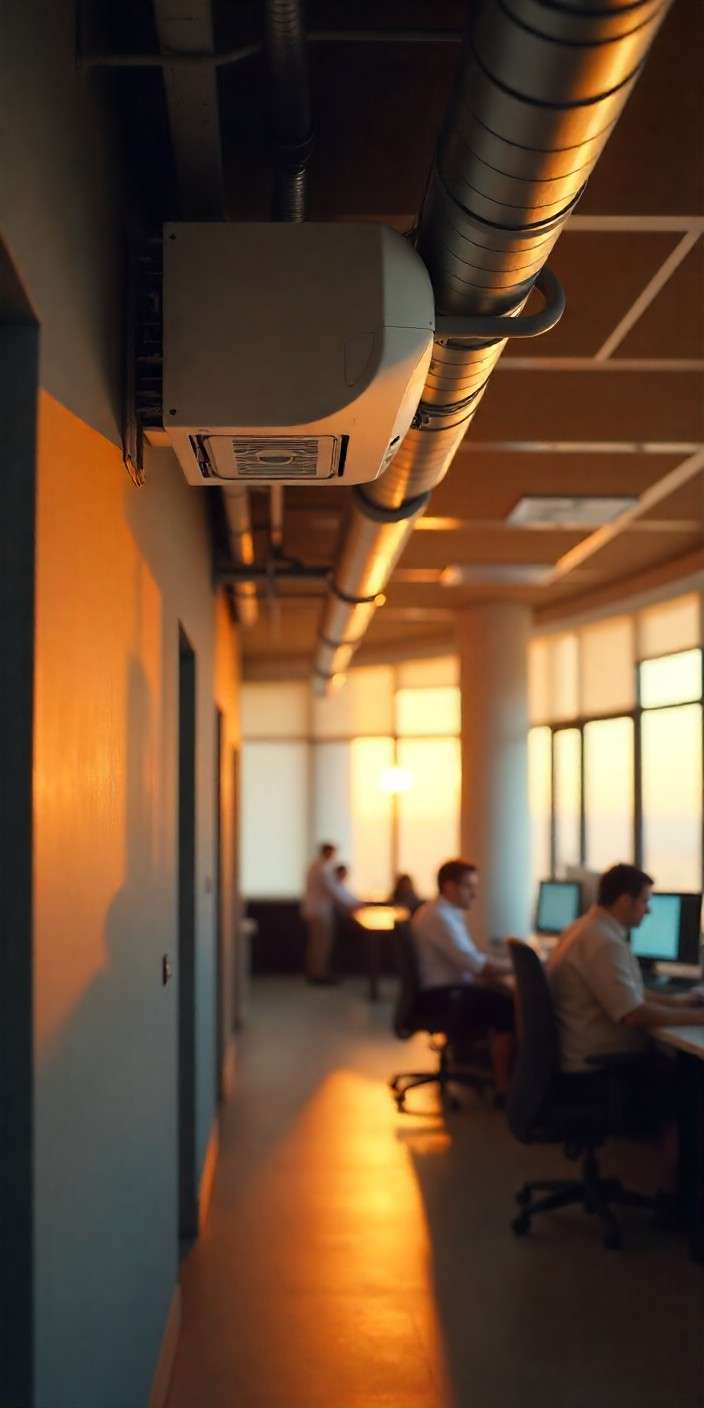
Advantages of implementing the new, cutting-edgeHVAC&R systems.

Advances in HVAC&R Systems technologies provide a gamut of solutions to improve system efficiency, which will immensely impact the worldwide effort in tackling soaring energy prices and reducing global warming.
HVAC&R systems are abreast with developments in building automation systems, create state-of-the-art occupant comfort levels, ease standard and regulation compliance and reduce operational costs, thereby significantly increasing the return on investment of facilities.
According to an HVAC source“HVAC&R systems account for 40 to 60 percent of the total energy consumed by commercial and residential buildings, offering companies an excellent opportunity to invest in research to develop products that will mitigate the energy crisis,”

New HVAC Technologies at a glance
Novel technologies, such as geothermal heat pumps, underfloor air distribution systems, building integrated photovoltaic systems, daylighting, and solar sorption are key technologies, which can immensely help in solving current energy-related as well as environmental problems. These technologies reduce the dependence on conventional sources of energy by utilizing renewable sources.
Sensors and control strategies form a vital part of an HVAC&R system’s efficient operation. Optimized deployment of a larger number of sensors will provide vital system information and augment automated fault detection and diagnosis practices, which will immensely help in reducing energy wastage.
Additionally, the use of smarter control systems assisted by sensor intelligence can help in successfully implementing strategies such as building energy management systems.
Challenges with Technologies
However, technologies in HVAC&R are not changing at a very rapid pace because of the fairly satisfactory performance of original systems, limited investment in R&D, and insufficient interaction between industry and educational institutes.
Besides, the industry has taken a watchful approach toward accepting new HVAC&R technologies, such as solar sorption, building integrated photovoltaic systems, and so on. Some of the key factors influencing the developments in HVAC&R industry are regulatory guidelines, increasing energy prices, demand for increased comfort with greater involvement of occupants and the sensitivity to accept newly developed energy-saving techniques that have been cautiously and only partially explored by the market.
“Over-dependence on conventional approaches, price, and preference toward tried and tested technology, and a lack of awareness about the latest developments in HVAC&R products are some of the major challenges for the industry. “As a result, while several product options and solutions exist, they are not, by and large, being demanded by the market.” Working carefully and diligently on design, migration, and integration options, and most importantly choosing the right vendors for implementing solutions are critical for the successful implementation of the newly developed HVAC&R solutions.
MG Cooling Solutions is an HVAC Company which follow the new HVAC trends to for energy-efficient HVAC Projects. They are reachable at www.mgcs.net.in