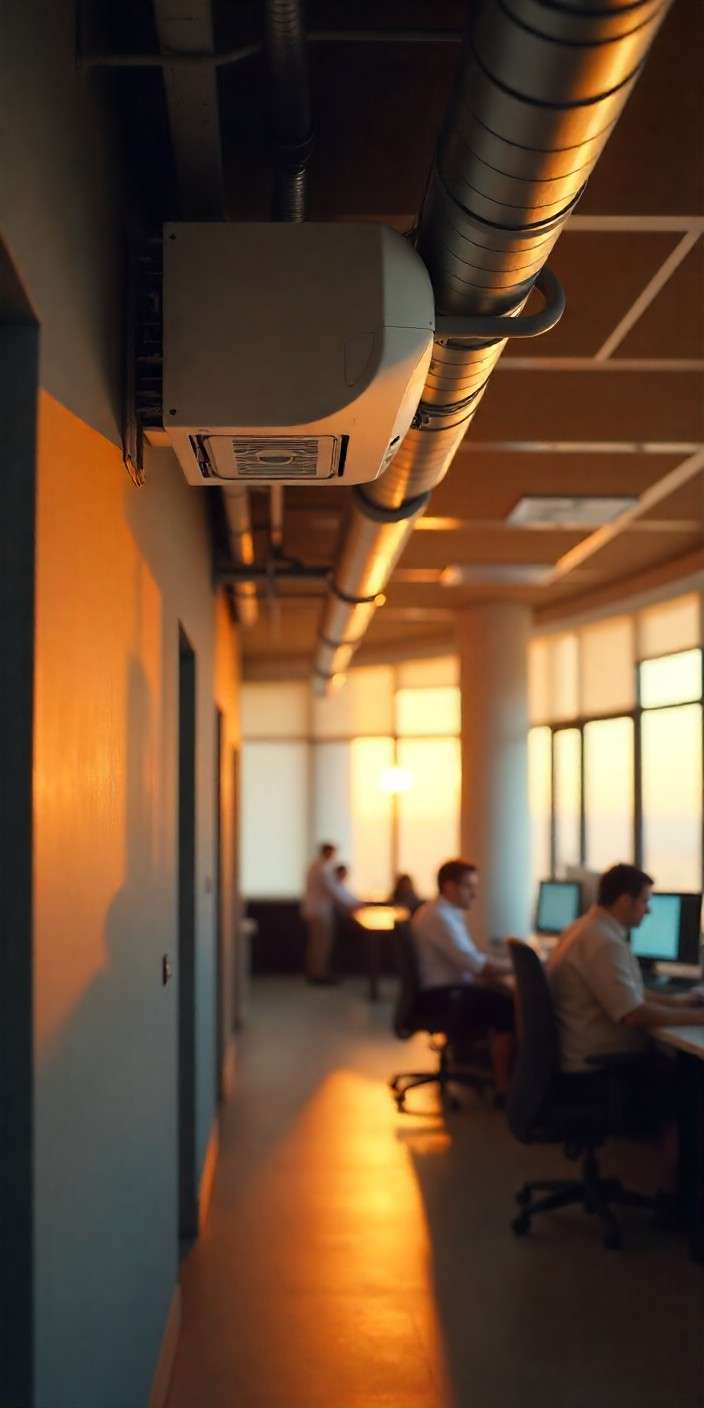
Proper HVAC maintenance is essential for any commercial building to ensure energy efficiency, minimize breakdowns, and extend the lifespan of the equipment. A well-maintained HVAC system not only improves air quality and comfort but also saves on costly repairs and reduces operational downtime. This guide covers the key aspects of preventive care and inspections to help you keep your commercial HVAC system running optimally.

Why Preventive Maintenance Matters
Preventive maintenance involves routine inspections and servicing of HVAC systems to avoid unexpected failures. In commercial settings, HVAC systems work harder than residential ones due to larger spaces and heavier usage. Without regular maintenance, even minor issues can escalate into major problems, leading to expensive repairs or replacements. Proper preventive care ensures:
- Increased Lifespan of Equipment: Regular maintenance helps prolong the life of HVAC components, delaying costly replacements.
- Improved Energy Efficiency: Clean and well-maintained systems operate more efficiently, reducing energy consumption.
- Lower Operating Costs: By identifying and addressing potential issues early, businesses can avoid major repairs and downtime, keeping operating costs under control.
- Consistent Air Quality: Well-maintained systems ensure better indoor air quality, which is crucial for employee comfort and health.
Key Elements of Commercial HVAC Maintenance
- Regular Inspections Scheduling routine inspections is the foundation of preventive care. During an inspection, HVAC professionals assess the overall health of the system and detect any potential issues. Critical components like filters, ducts, electrical connections, and airflow are checked to ensure everything is working efficiently.
- Filter Replacements Filters play a crucial role in maintaining air quality and preventing dust and debris from clogging the system. In commercial settings, filters should be replaced more frequently, typically every 1 to 3 months, depending on the building’s occupancy and environment. Dirty filters can lead to reduced efficiency and strain on the system, causing it to work harder and use more energy.
- Coil Cleaning Both evaporator and condenser coils can accumulate dirt over time, reducing their ability to absorb heat. Dirty coils force the system to run longer cycles, increasing energy consumption and wear on the components. Regular coil cleaning ensures that the system operates efficiently and avoids premature failures.
- Checking Refrigerant Levels An HVAC system’s refrigerant is crucial for cooling. Low refrigerant levels can lead to inadequate cooling, increased energy usage, and potential system damage. Regular inspections include checking refrigerant levels and topping them up as needed to maintain optimal performance.
- Lubrication of Moving Parts The HVAC system’s moving components, such as motors, belts, and fans, need proper lubrication to reduce friction. Lack of lubrication can cause parts to wear out prematurely, leading to mechanical failures and costly repairs. This simple step is often overlooked but is essential for extending the life of your HVAC system.
- Thermostat Calibration A malfunctioning thermostat can result in improper temperature settings, causing the system to work harder than necessary. Regular calibration ensures that your thermostat is accurately reading the building’s temperature and adjusting the system’s output accordingly. Smart thermostats, in particular, should be checked to ensure they are correctly integrated with the system for optimal energy management.
Seasonal Maintenance Tips
- Spring and Summer Maintenance Before the cooling season starts, it’s vital to perform a comprehensive inspection. Focus on the air conditioning system, including checking the refrigerant levels, cleaning coils, and ensuring the outdoor unit is free from debris. As temperatures rise, the system will be under more strain, so catching issues early is key.
- Fall and Winter Maintenance As the heating season approaches, make sure to inspect furnaces, boilers, and heat pumps. Clean the heating elements, check for any gas leaks in gas-powered systems, and ensure that ventilation systems are clear. Proper heating system maintenance before winter can prevent breakdowns during the colder months when the HVAC system is critical for maintaining a comfortable indoor environment.
The Role of Professional HVAC Technicians
While basic maintenance tasks such as filter replacement can be handled in-house, many preventive care tasks should be performed by certified HVAC technicians. Professional technicians have the expertise to diagnose issues early, preventing them from escalating into costly problems. Additionally, HVAC systems in commercial settings are more complex and require specialized knowledge for efficient servicing and repair.
MG Cooling Solutions
MG Cooling Solutions stands as a leading name in India’s HVAC industry, renowned for delivering exceptional heating, ventilation, and air conditioning services. With a commitment to innovation and quality, our expert team ensures efficient and reliable HVAC solutions tailored to your needs. Whether for residential or commercial spaces, MG Cooling Solutions combines cutting-edge technology with unparalleled customer service to provide superior comfort and performance.
Wrapping Up
Preventive HVAC maintenance is an investment that pays off in the long run, ensuring energy efficiency, reducing the risk of breakdowns, and prolonging the system’s life. A regular maintenance schedule that includes inspections, filter changes, coil cleaning, refrigerant checks, and lubrication of moving parts will keep your commercial HVAC system operating smoothly. Don’t wait until something goes wrong—proactive care is the key to a reliable, cost-effective HVAC system that keeps your commercial space comfortable year-round.
To ensure your system gets the attention it needs, enlist the help of professional HVAC technicians who understand the unique requirements of commercial systems and can provide tailored maintenance solutions.
Don’t Miss: 5 Common Concerns About Noise and Energy Consumption with HVAC Air Purifiers