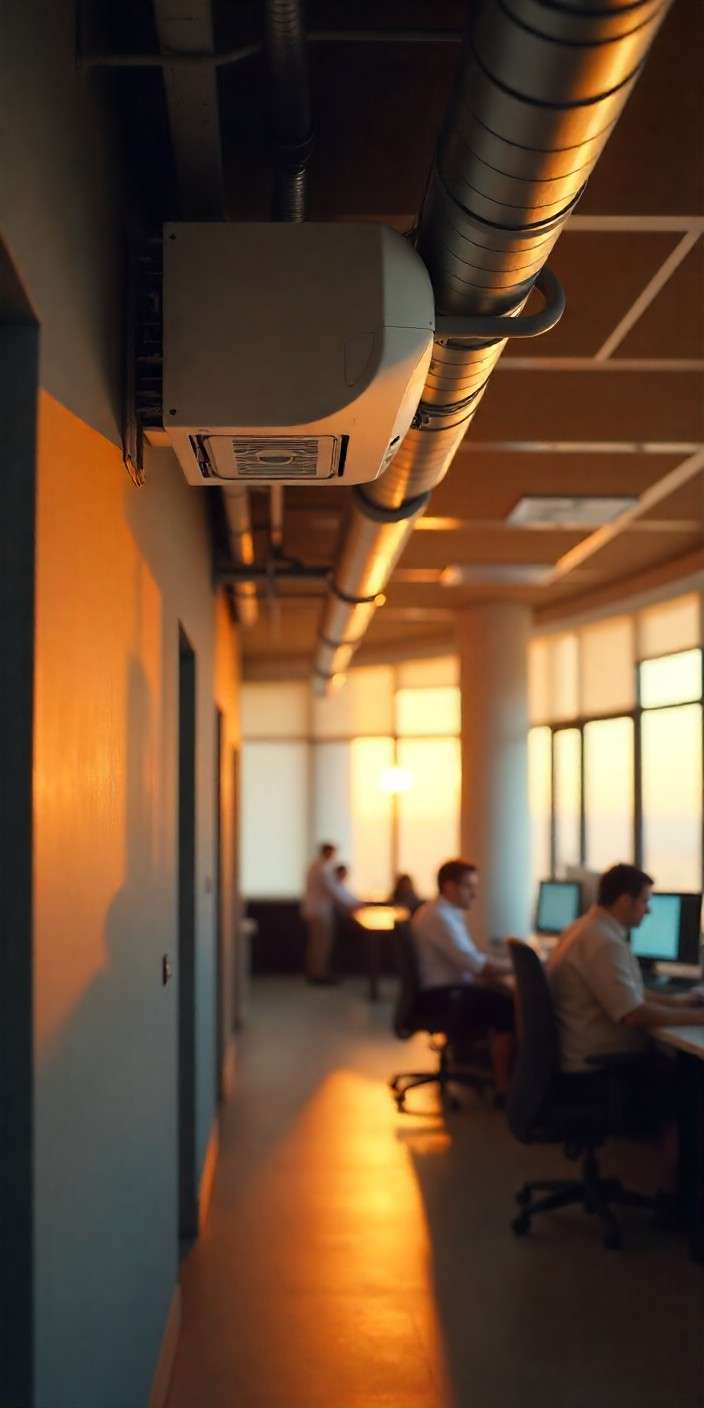
In today’s world, where indoor air quality is more critical than ever, HVAC air purifiers have become essential in homes and offices. They help keep indoor environments free of dust, pollen, and pollutants, creating healthier spaces. However, for many people, noise and energy consumption are primary concerns when integrating these purifiers into their HVAC systems.
Let’s address some of people’s most common concerns regarding the noise and energy efficiency of HVAC air purifiers.
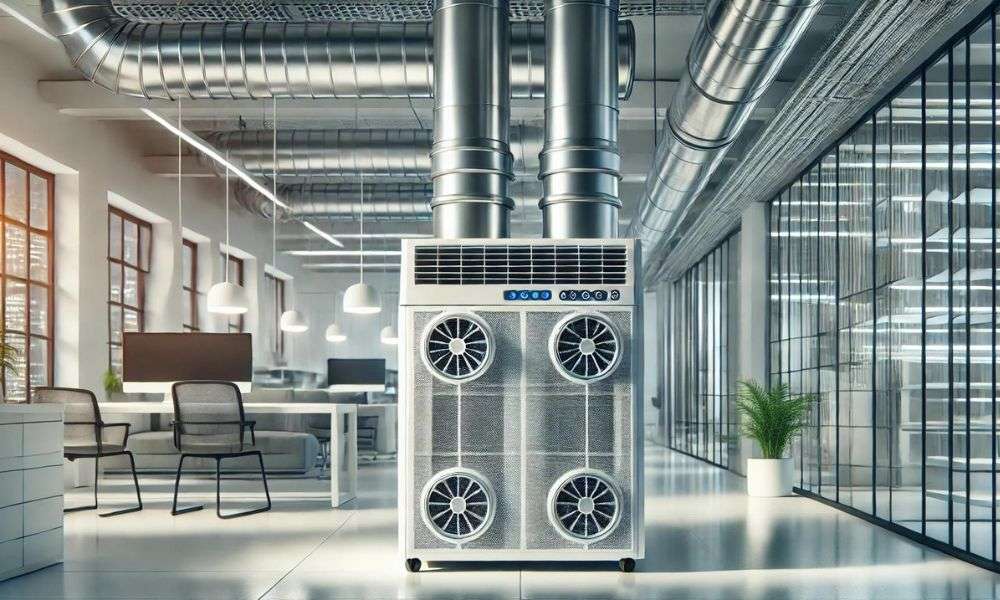
1. Is the Purifier Going to Be Too Noisy?
One of the most frequent complaints about HVAC air purifiers is the noise they can generate. After all, if your system is running throughout the day, the constant hum can become irritating, especially if you’re working or trying to relax at home.
Solution: The good news is that modern HVAC air purifiers are designed with noise reduction in mind. Many brands now offer systems with sound-dampening features, making them significantly quieter than older models. Additionally, if noise is a primary concern for you, opt for purifiers with low decibel ratings. A purifier that operates at 50 dB or lower is typically considered quiet and won’t disrupt your daily activities.
2. Does It Consume a Lot of Energy?
Energy consumption is another significant concern, particularly as HVAC systems already account for a large portion of household energy use. Adding an air purifier to the mix might make you wonder if you’ll see a spike in your energy bills.
Solution: While air purifiers do consume energy, many of today’s models are built to be energy efficient. When shopping for a purifier, look for systems that carry an Energy Star certification, which means they meet energy efficiency guidelines set by the Environmental Protection Agency (EPA). Some models also come with timers or eco-mode features that allow the system to run only when necessary, further minimizing energy consumption.
3. Will It Overwork My HVAC System?
A common misconception is that adding an air purifier to your HVAC system will cause it to work harder, leading to wear and tear and, ultimately, higher maintenance costs.
Solution: While it’s true that some older models of air purifiers may create additional resistance for your HVAC system, most modern units are designed to integrate seamlessly. They work efficiently without putting extra strain on the HVAC system. In fact, some purifiers may even help your HVAC system last longer by keeping dust and debris out of the air ducts, which reduces the need for frequent maintenance.
4. Is It Expensive to Run Continuously?
Since air quality can fluctuate throughout the day, many people wonder if they need to run their HVAC air purifier continuously and how that would impact their overall expenses.
Solution: It’s not always necessary to run your air purifier 24/7, especially if you have a high-efficiency system. Many units come equipped with sensors that monitor air quality and activate the purifier only when needed. Additionally, using a purifier with adjustable fan speeds allows you to control how much energy it uses. Running the system at a lower speed when air quality is moderate can save energy while still maintaining a healthy environment.
5. Does Airflow Affect Noise and Efficiency?
Airflow plays a crucial role in both noise levels and energy efficiency. People often worry that to maintain proper airflow, the HVAC system will need to run at full blast, increasing both noise and energy consumption.
Solution: It’s essential to choose a purifier that is appropriately sized for your space. A system that is too small may need to work harder to filter the air, leading to higher noise and energy use. On the other hand, a system that’s too large for your space could lead to inefficiencies and higher costs. Most manufacturers provide guidelines on the square footage their purifiers can handle, so it’s worth investing in a model that matches your needs. Additionally, systems with variable speed fans can help regulate airflow without compromising on efficiency or noise.
MG Cooling Solutions
MG Cooling Solutions offers advanced HVAC air filtration solutions across India, ensuring cleaner, healthier air in residential, commercial, and industrial spaces. Our cutting-edge filtration systems effectively remove dust, allergens, and pollutants, improving indoor air quality. With expertise in HVAC automation, we design and implement customized filtration solutions tailored to your needs—Trust MG Cooling Solutions for a cleaner, energy-efficient environment with top-tier air filtration technology and reliable service.
Final Thoughts
Choosing the right HVAC air purifier can drastically improve your indoor air quality without significantly impacting noise levels or energy consumption. By selecting a modern, energy-efficient model designed with noise reduction in mind, you can enjoy clean air in your home or office without worrying about excessive costs or distractions.
Remember to prioritize features like Energy Star certification, adjustable fan speeds, and smart sensors to ensure your purifier works efficiently while keeping energy use in check. With the right unit, you’ll experience cleaner air and peace of mind, knowing that your purifier is both quiet and energy-efficient.
Don’t Miss: Reducing Odors and VOCs with HVAC Air Purification: A Breath of Fresh Air for Your Home