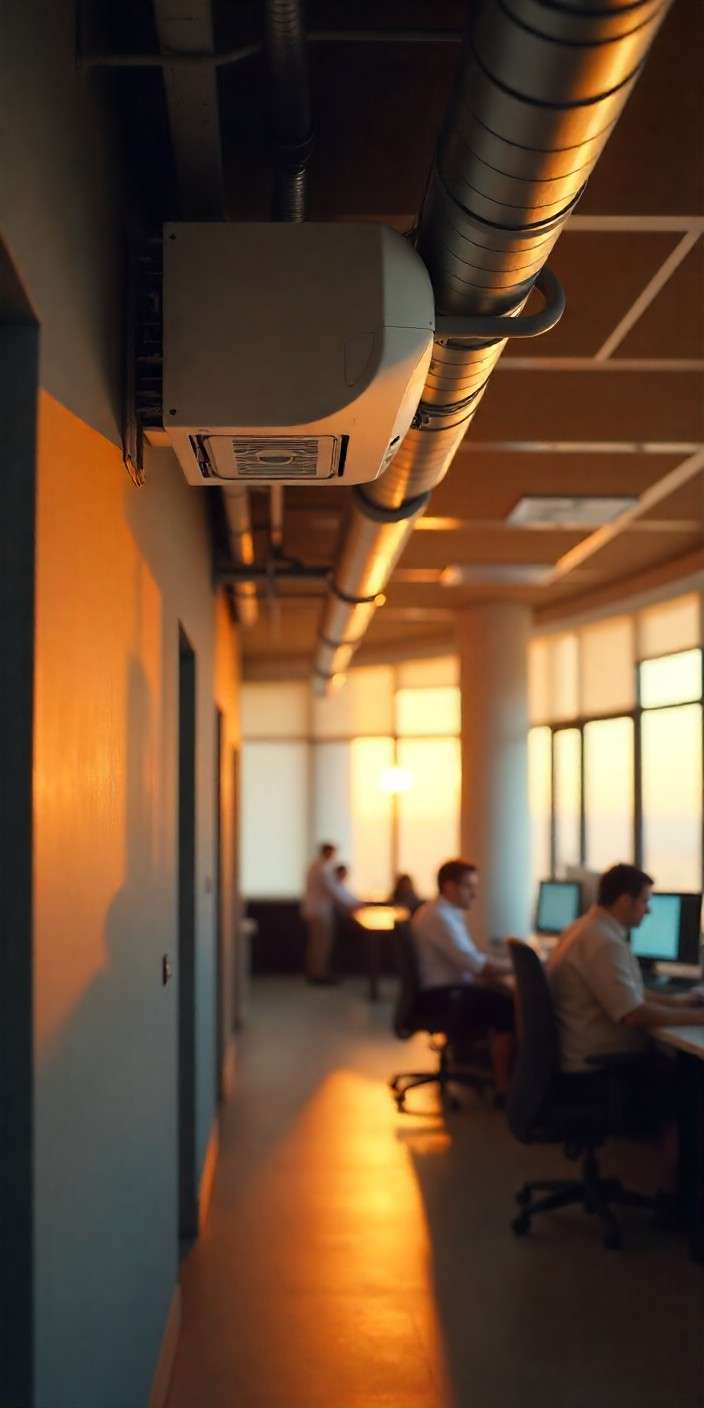
In today’s fast-paced world, maintaining a comfortable indoor environment is crucial, especially in large buildings like offices, shopping malls, hotels, and hospitals. As the demand for effective climate control increases, centralized air conditioning systems have emerged as a preferred solution. These systems offer numerous benefits that go beyond just cooling the air, making them an ideal choice for large-scale buildings. In this blog post, we’ll explore the key advantages of centralized air conditioning and why it is a superior option for large buildings.

1. Energy Efficiency and Cost Savings
One of the most significant benefits of centralized air conditioning is its energy efficiency. Unlike individual units, centralized systems are designed to cool large spaces efficiently by distributing air through a network of ducts. This efficient distribution reduces the need for multiple smaller units, which can be energy-intensive and less effective in maintaining consistent temperatures.
Centralized air conditioning systems often come equipped with advanced technologies like variable refrigerant flow (VRF) and smart thermostats. These features allow the system to adjust cooling levels based on the specific needs of different areas within the building, leading to optimized energy usage and lower utility bills. Over time, the initial investment in a centralized system can lead to significant cost savings, making it a financially wise choice for large buildings.
2. Consistent Temperature Control
In large buildings, maintaining a consistent temperature across all areas can be challenging with individual air conditioning units. Centralized air conditioning systems excel in this regard by providing uniform cooling throughout the entire building. The system can be programmed to maintain specific temperatures in different zones, ensuring that every corner of the building remains comfortable regardless of external weather conditions.
This level of temperature control is particularly beneficial in environments like hospitals, where maintaining a specific temperature is critical for patient care, or in office buildings where productivity can be affected by fluctuating temperatures. Centralized systems ensure that everyone in the building experiences the same level of comfort, leading to a more pleasant and productive environment.
3. Improved Air Quality
Air quality is a crucial factor in maintaining a healthy indoor environment, especially in large buildings where many people congregate. Centralized air conditioning systems are equipped with advanced filtration systems that can remove dust, pollen, and other airborne contaminants from the air. This results in cleaner, healthier air being circulated throughout the building, reducing the risk of respiratory issues and allergies among occupants.
Moreover, centralized systems can incorporate humidity control, which helps to maintain optimal humidity levels within the building. This is particularly important in regions with high humidity, as it can prevent the growth of mold and mildew, which are common issues in large buildings. Improved air quality not only enhances the comfort of occupants but also contributes to their overall well-being.
4. Reduced Noise Levels
One of the often-overlooked benefits of centralized air conditioning is the reduction in noise levels. Individual air conditioning units can be noisy, particularly when multiple units are operating simultaneously in different areas of a large building. This can be disruptive in environments where concentration and quiet are essential, such as in offices, hotels, or hospitals.
Centralized systems, on the other hand, are typically located away from occupied areas, such as in mechanical rooms or on rooftops. This placement, combined with the advanced design of modern centralized units, results in much quieter operation compared to individual units. The reduction in noise contributes to a more peaceful and productive environment, which is especially important in professional and commercial settings.
5. Space Savings and Aesthetics
In large buildings, space is often at a premium. Individual air conditioning units can take up valuable space, both inside and outside the building, and can detract from the overall aesthetics of the structure. Centralized air conditioning systems solve this problem by requiring less space for the installation of equipment.
The main components of a centralized system, such as the compressor and condenser, are typically housed in a central location, such as on the roof or in a dedicated mechanical room. This allows for a more streamlined and aesthetically pleasing design, as there are no bulky units visible on the exterior or interior of the building. Additionally, the ductwork used in centralized systems can be integrated into the building’s design, further enhancing the visual appeal and maximizing usable space.
6. Enhanced Control and Automation
Centralized air conditioning systems offer advanced control options that are not available with individual units. Building management systems (BMS) can be integrated with centralized systems, allowing for automated control of the air conditioning across the entire building. This automation can include scheduling, temperature adjustments based on occupancy, and even remote monitoring and control via mobile devices.
Enhanced control capabilities allow building managers to optimize energy usage, improve comfort levels, and quickly address any issues that may arise. In large buildings where the demands on the HVAC system can vary significantly throughout the day, this level of control is invaluable.
7. Longer Lifespan and Lower Maintenance
Centralized air conditioning systems are designed to be more durable and reliable than individual units. They are built to handle the demands of cooling large spaces consistently over long periods, which means they typically have a longer lifespan. Additionally, because centralized systems are housed in protected areas and are subject to less wear and tear, they require less frequent maintenance.
When maintenance is needed, it can be performed more efficiently since the system’s components are concentrated in a single location. This not only reduces maintenance costs but also minimizes downtime, ensuring that the building remains comfortable at all times.
MG Cooling Solutions
MG Cooling Solutions offers advanced centralized air conditioning systems, ideal for large commercial and industrial spaces. Our systems deliver consistent and efficient cooling across multiple zones, ensuring optimal comfort and energy savings. With expert design and installation, we tailor solutions to meet your specific needs, providing reliable performance and reduced operational costs. Trust MG Cooling Solutions for cutting-edge centralized air conditioning systems that enhance your building’s comfort and efficiency.
Wrapping Up
Centralized air conditioning offers a host of benefits that make it the ideal choice for large buildings. From energy efficiency and cost savings to improved air quality and enhanced control, these systems provide a comprehensive solution for maintaining a comfortable indoor environment. As more buildings strive for sustainability and efficiency, centralized air conditioning is set to become an increasingly popular option in the years to come. Whether you’re managing a large office building, a hotel, or a shopping mall, investing in a centralized air conditioning system can enhance the comfort, health, and productivity of everyone inside.
Don’t Miss: Energy Efficiency in Precision Air Conditioning Systems