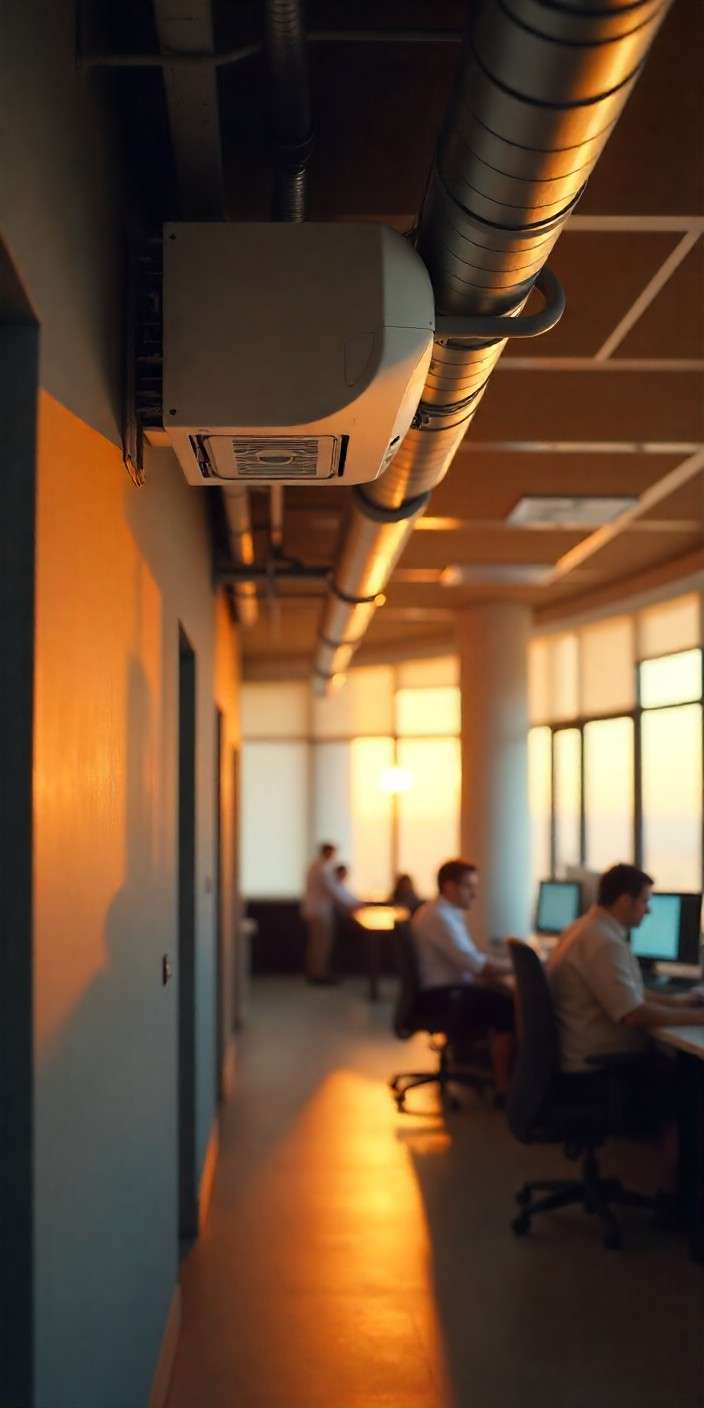
The concept of smart cities is revolutionizing urban living by integrating technology to enhance efficiency, sustainability, and quality of life. One critical component of this transformation is the adoption of IoT (Internet of Things) in HVAC (Heating, Ventilation, and Air Conditioning) systems. Let’s explore how IoT is reshaping HVAC systems within the framework of smart city initiatives.
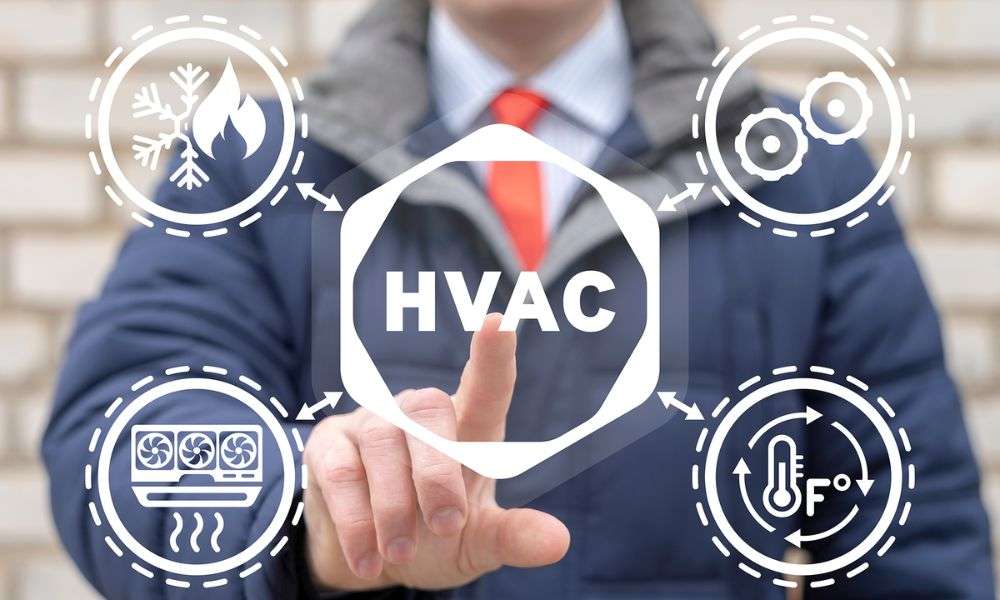
Understanding Smart Cities
Smart cities leverage digital technologies to optimize city operations and services. These technologies include IoT devices, sensors, and data analytics to improve infrastructure management, energy efficiency, and public services. One of the pivotal areas of focus is the integration of IoT into HVAC systems to achieve better environmental control and energy management.
Role of IoT in HVAC Systems
- Enhanced Energy Efficiency: IoT-enabled HVAC systems use real-time data from sensors to optimize energy consumption based on occupancy, weather conditions, and building usage patterns. Smart thermostats adjust temperatures dynamically, ensuring comfort while minimizing energy wastage, which is crucial for reducing the carbon footprint of urban areas.
- Predictive Maintenance: IoT sensors monitor equipment performance and detect anomalies in real-time. By predicting potential failures or inefficiencies, maintenance can be scheduled proactively, reducing downtime and extending the lifespan of HVAC equipment. This proactive approach to maintenance enhances reliability and reduces operational costs.
- Remote Monitoring and Control: IoT allows facility managers to monitor and control HVAC systems remotely via connected devices such as smartphones or tablets. This capability is invaluable for managing multiple buildings or facilities from a centralized location, optimizing operational efficiency, and responding promptly to maintenance needs or emergencies.
Benefits for Smart Cities
- Improved Air Quality: IoT-enabled HVAC systems continuously monitor indoor air quality (IAQ) parameters such as CO2 levels, humidity, and particulate matter. They adjust ventilation rates and filtration accordingly, ensuring healthier indoor environments for residents and workers in smart buildings.
- Data-Driven Decision Making: The wealth of data generated by IoT sensors provides insights into building performance, energy usage trends, and occupant behavior. City planners can use this data to make informed decisions regarding infrastructure upgrades, resource allocation, and environmental policies, fostering sustainable urban development.
- Integration with Other Systems: IoT in HVAC systems can integrate seamlessly with other smart city components such as lighting, security, and transportation systems. This interoperability enhances overall city management and facilitates a holistic approach to urban sustainability and resilience.
Challenges and Considerations
Despite its benefits, integrating IoT into HVAC systems requires addressing challenges such as cybersecurity risks, data privacy concerns, and interoperability issues with legacy systems. Robust cybersecurity measures and standardized protocols are essential to safeguard data and ensure seamless communication between IoT devices and infrastructure.
MG Cooling Solutions
MG Cooling Solutions excels with its state-of-the-art IoT-based HVAC monitoring system, setting a benchmark in Delhi’s HVAC industry. Their innovative system integrates IoT technology to provide real-time insights into HVAC performance, energy usage, and environmental conditions. This advanced monitoring ensures proactive maintenance, enhances energy efficiency, and optimizes indoor comfort levels. With MG Cooling Solutions‘ IoT-based solutions, clients benefit from cutting-edge technology that delivers reliability, efficiency, and peace of mind in managing HVAC systems.
Wrapping Up
As smart city initiatives gain momentum worldwide, the role of IoT in transforming HVAC systems cannot be overstated. From optimizing energy efficiency and enhancing air quality to enabling predictive maintenance and data-driven decision-making, IoT-enabled HVAC systems are pivotal in creating smarter, more sustainable urban environments. By embracing these technologies, cities can improve resilience, reduce environmental impact, and enhance the quality of life for residents and businesses alike.
Incorporating IoT into HVAC systems represents a significant step towards achieving the vision of truly smart and connected cities, where innovation and sustainability go hand in hand to build a better future.
Don’t Miss: How HVAC Air Purifiers Can Help Combat Airborne Viruses and Bacteria