What is UVC Disinfection?
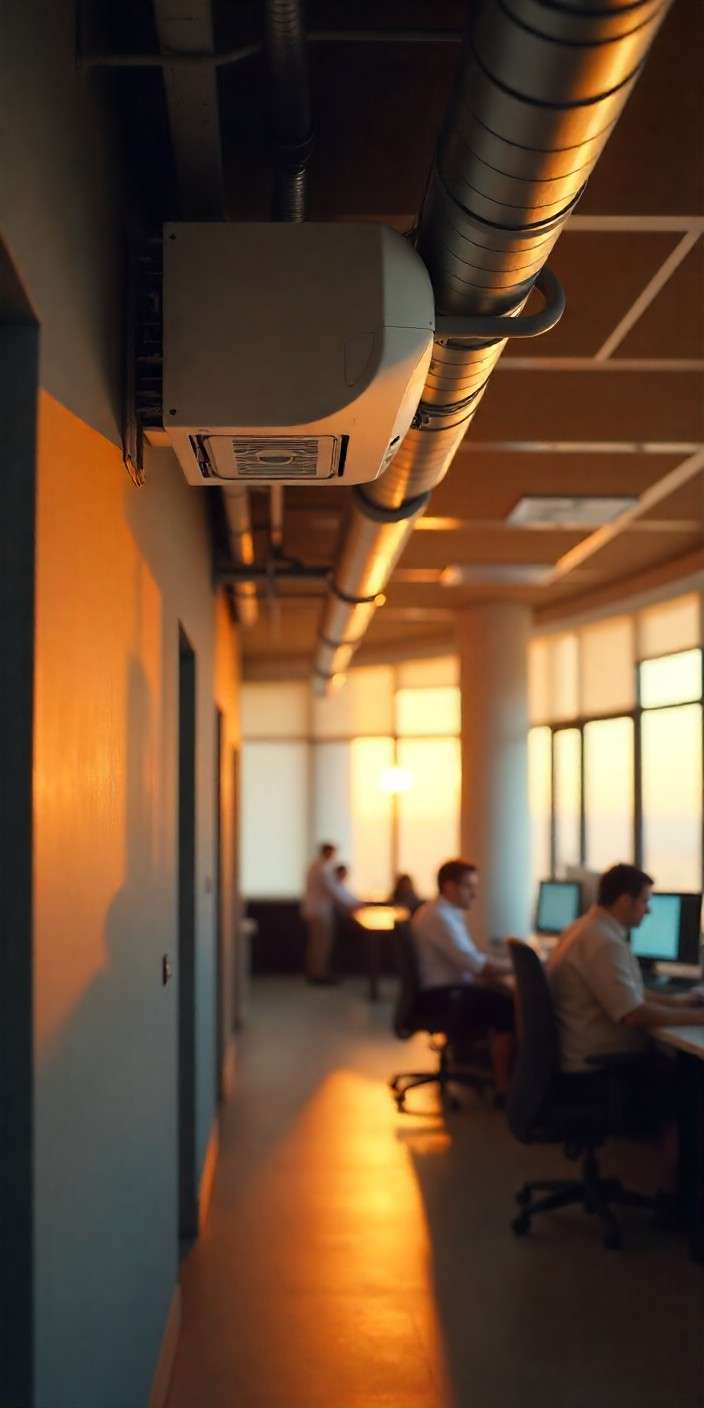
UVC disinfection is a process used to kill germs and bacteria in the air, on surfaces, and in water. This process uses Ultraviolet-C (UVC) light to kill or deactivate microorganisms by destroying their cellular structure. UVC disinfection is an effective way to reduce the spread of disease-causing bacteria, viruses, and other pathogens. Certified UVC disinfection services use specialized equipment that emits high-intensity UVC rays to reach areas that are difficult to access during traditional cleaning methods. UVC light works by penetrating the cell wall of microorganisms and damaging their DNA which makes them unable to reproduce. This method of germicidal disinfection is safe for use in humans as it does not produce any dangerous byproducts or leave residues behind like some chemical-based sterilization methods do. Certified UVC disinfection services can help improve air quality and reduce the risk of harmful airborne diseases in your home or business.
Benefits of UVC Disinfection Services
UVC disinfection services provide several benefits that make them an ideal choice for improved air quality. UVC light is highly effective at killing germs and bacteria, including airborne pathogens like viruses and fungi. Certified UVC disinfection services also use specialized equipment to reach hard-to-reach areas that traditional cleaning methods can’t access. This means that all surfaces are thoroughly sanitized, not just the ones within easy reach. UVC disinfection is also a safe process that doesn’t produce any dangerous byproducts or leave residues behind, making it a great option for homes and businesses with children or pets. Finally, certified UVC disinfection services can help reduce the spread of airborne illnesses and improve air quality in your home or business.

How Does UVC Disinfection Work?
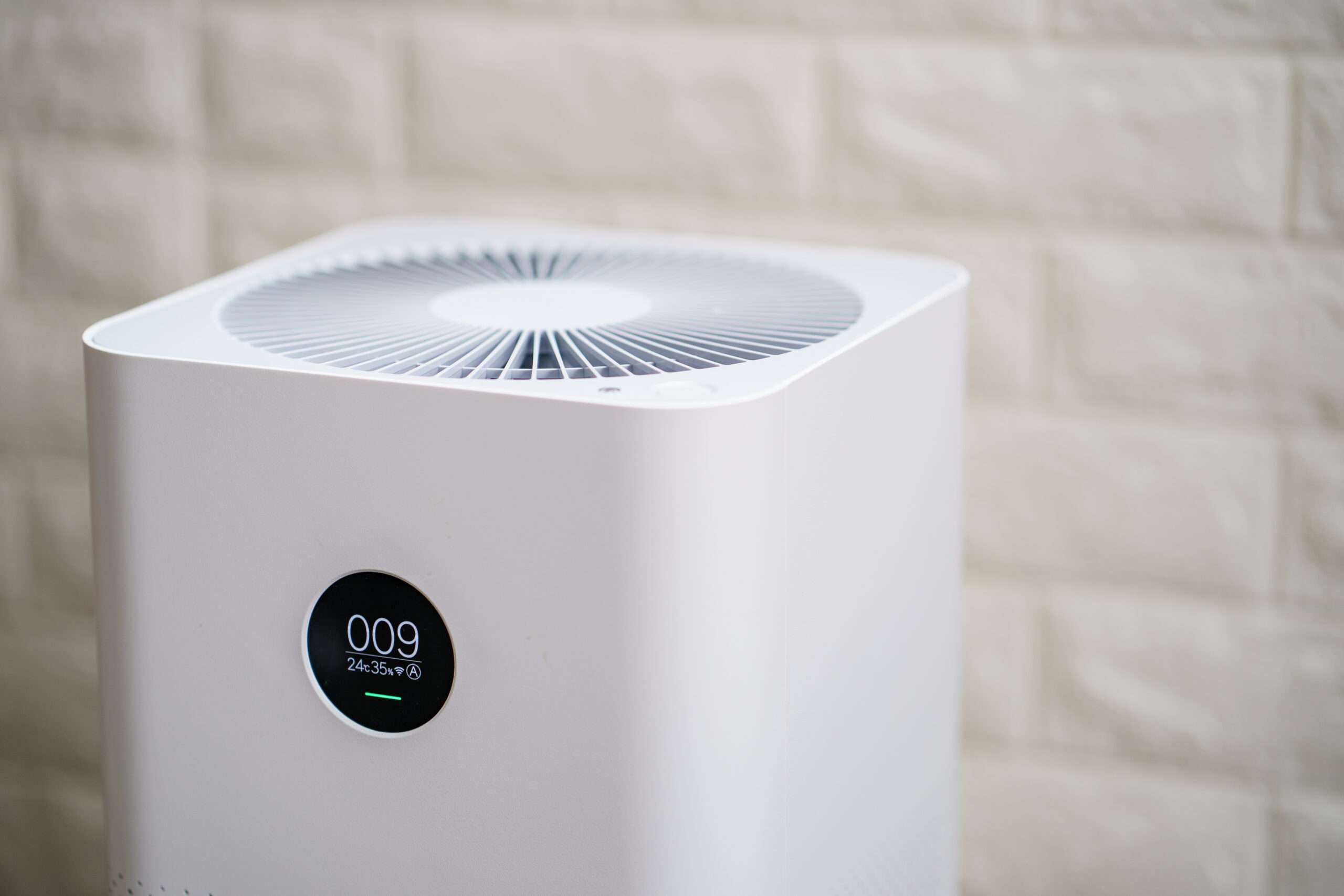
UVC disinfection is a process that uses ultraviolet light to kill germs, bacteria, and other pathogens. UVC rays are only found in sunlight and can be artificially produced using specialized equipment. During the disinfection process, highly concentrated ultraviolet radiation is directed at surfaces, killing any germs or bacteria on contact. The intensity of the UVC radiation is carefully managed to ensure that it is effective enough to destroy harmful microorganisms but not so intense that it damages the surface or causes harm to people or pets in the area. Certified UVC disinfection services use specially designed equipment to effectively reach hard-to-reach areas like crevices and cracks and ensure thorough disinfection of all surfaces.
Ultraviolet Light and Germicidal Irradiation
Ultraviolet light and germicidal irradiation are two powerful tools for disinfecting surfaces against bacteria, viruses, and other pathogens. Ultraviolet light works by emitting ultraviolet rays that damage the DNA of microorganisms, preventing them from reproducing and eventually killing them. Germicidal irradiation is a process similar to UV light but uses gamma or x-ray radiation instead. The radiation penetrates deeper into surfaces than UV light does, allowing for more effective disinfection of hard-to-reach areas. Certified UVC disinfection services use both UV light and germicidal irradiation to ensure maximum effectiveness in eliminating harmful microorganisms from surfaces. These services can help improve air quality in businesses, homes, public spaces, and more while still being safe for humans and animals.
Pre-Filter and Quality Materials Used in Disinfection Systems
Pre-filters are important components of effective disinfection systems. They are designed to remove large particles from the air before the main filter gets a chance to do its job. Pre-filters help reduce the amount of dust and other large particles that can clog up the main filter, ensuring maximum efficiency and performance for the system. Quality materials used in disinfection systems are also essential for proper operation and effectiveness. High-quality materials will be able to withstand high temperatures, high humidity, and other environmental factors that could impact their performance. Additionally, quality materials will have superior filtration capabilities, providing better protection against bacteria, viruses, and other pathogens. Certified UVC disinfection services use pre-filters and quality materials to ensure maximum safety and efficiency in their cleaning processes.
Types of Airborne Pollutants Eliminated by UVC Disinfection Services
UVC disinfection services use ultraviolet light to eliminate airborne pollutants from indoor environments. This type of disinfection works by killing the microorganisms that cause illnesses, allergies, and other respiratory issues. UVC radiation is used to target and destroy a wide variety of airborne pollutants including bacteria, fungi, viruses, molds, dust mites, pet dander, pollen, and smoke particles. By targeting these specific pollutants, UVC disinfection services can provide a safe and healthy environment for occupants. Additionally, UVC disinfection services are capable of eliminating odor-causing particles such as smoke and pet odors. The process is highly efficient with minimal disruption to the indoor environment. With certified UVC disinfection services, you can be sure that your air quality will be improved with no risk of exposure to harmful substances or organisms.
Organic Compounds
Organic compounds are found in nature and are composed of carbon, hydrogen, and sometimes other elements such as oxygen and nitrogen. These compounds are often used as food sources, meaning they can provide energy or nutrients to living organisms. Organic compounds also have a variety of uses in industries such as agriculture, pharmaceuticals, and medical research.
Organic compounds can be divided into two categories: primary organic molecules and secondary organic molecules. Primary organic molecules are those that are found in nature (e.g., carbohydrates, proteins, lipids). Secondary organic molecules are those created by living organisms (e.g., hormones, enzymes). Both types of organic compounds play an important role in the environment. They help maintain homeostasis (balance) within the environment by participating in biogeochemical cycles such as carbon cycling or nitrogen cycling. Organic compounds also contribute to the formation of soil and help regulate nutrient availability for plants.
Microorganisms, Viruses, and Bacteria
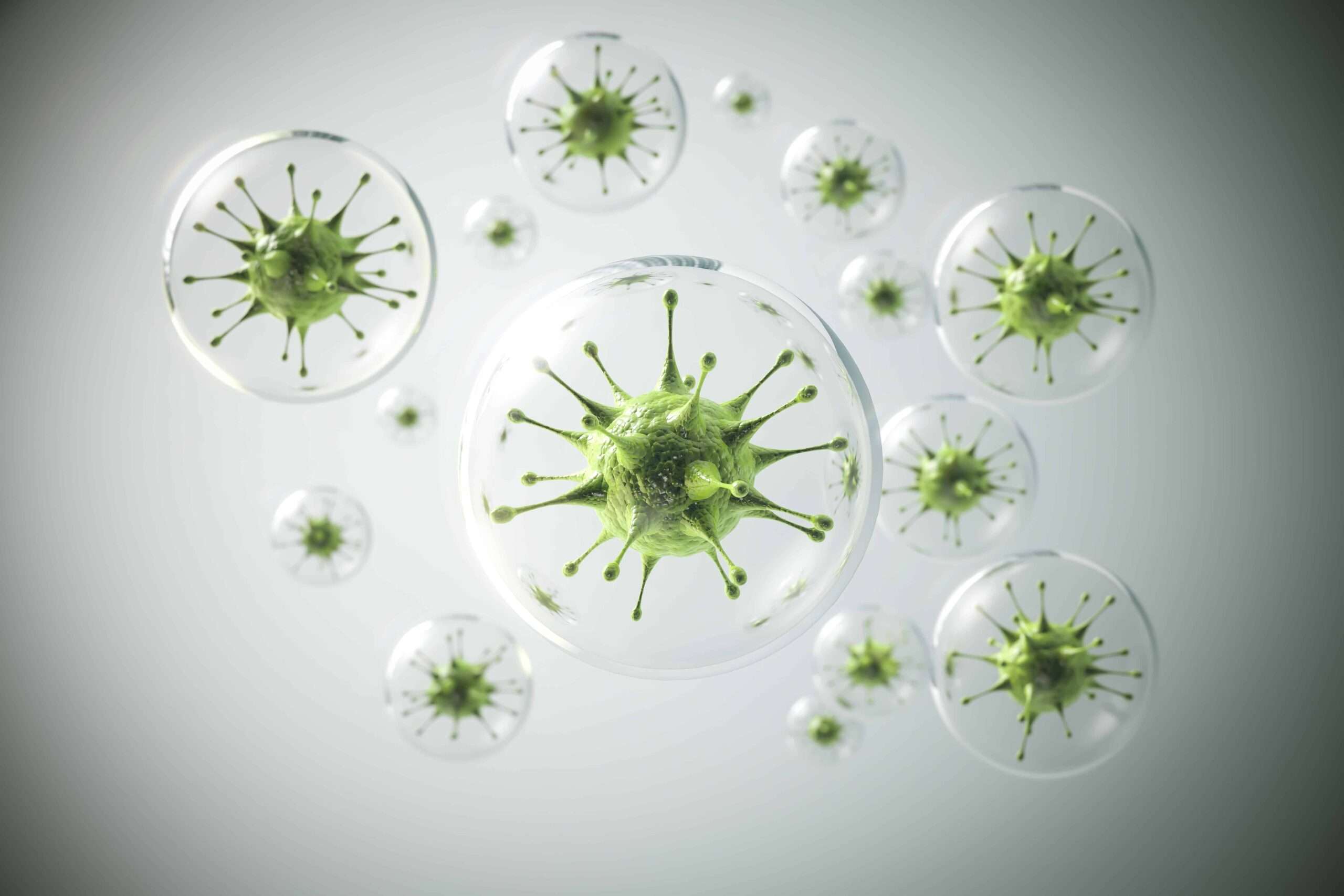
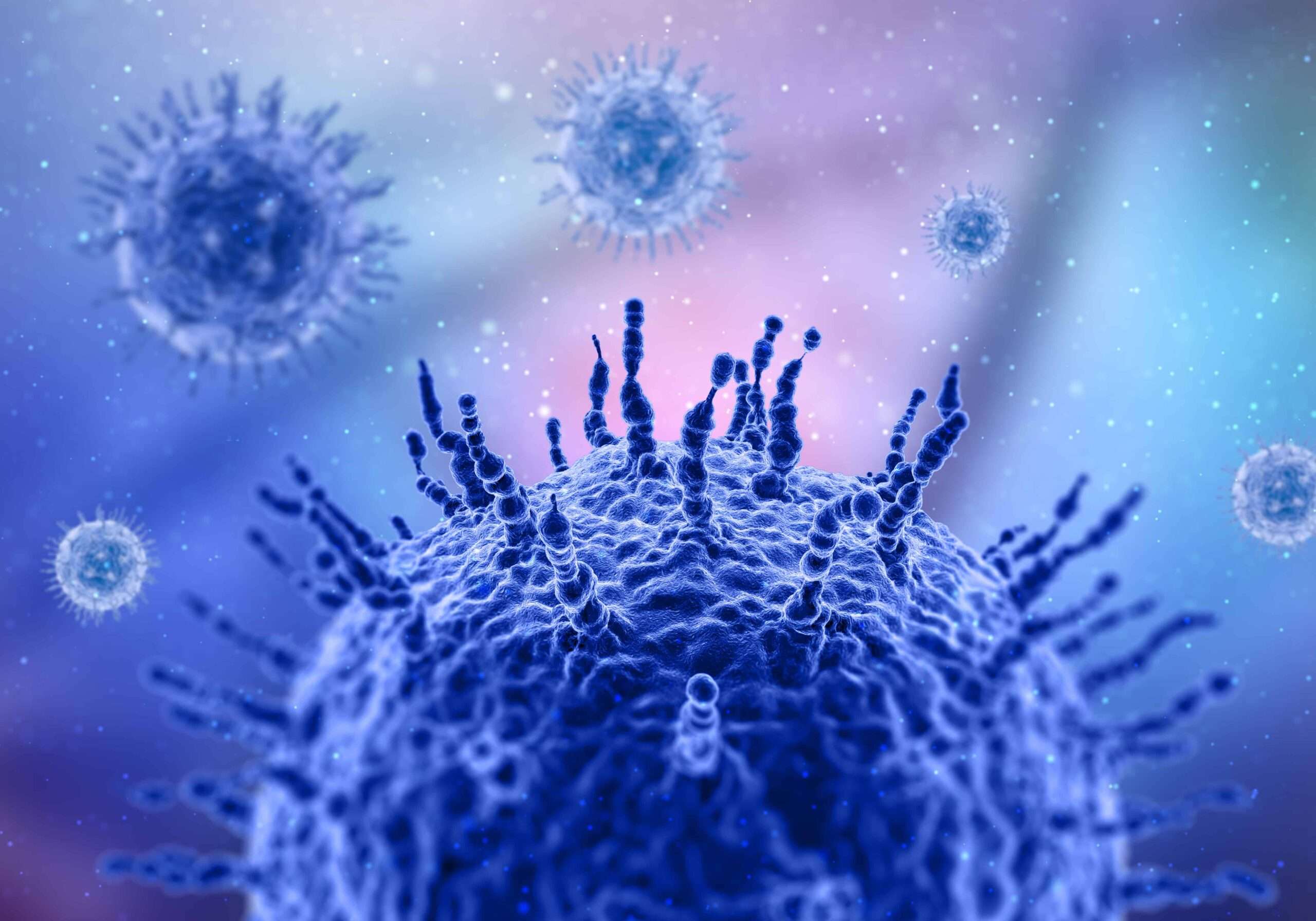
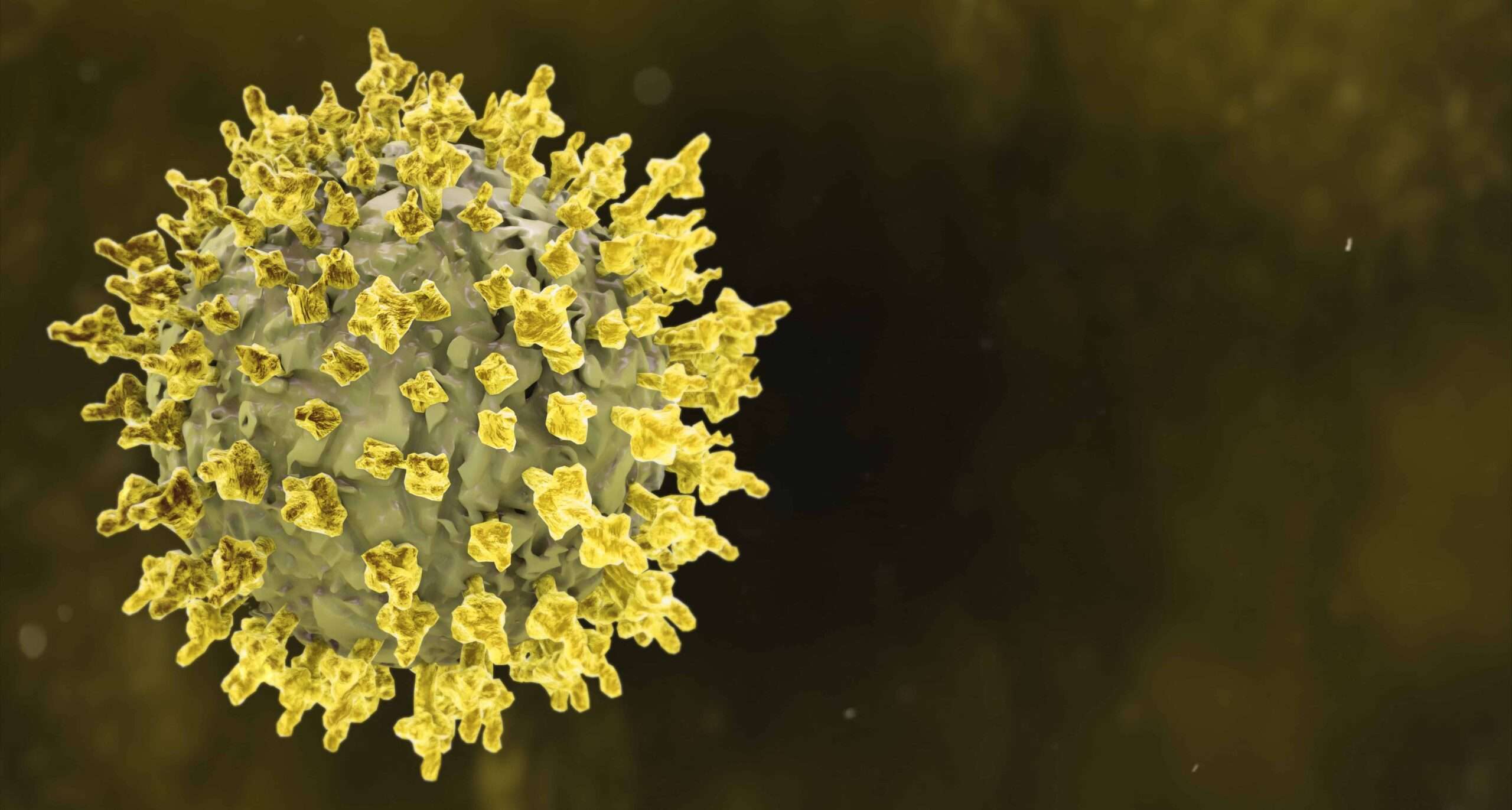
Microorganisms, including viruses and bacteria, are single-celled organisms too small to be seen by the naked eye. They exist almost everywhere on Earth, in air, soil, water, and inside living things. Microorganisms can be beneficial or harmful depending on the environment. For example, they provide essential nutrients to plants and animals and help break down food into energy. On the other hand, they can cause diseases and infections in humans.
The presence of microorganisms in an environment can lead to a decrease in air quality because they produce waste products that contain harmful substances such as carbon dioxide and methane gas. The release of these gases into the atmosphere contributes to global warming and climate change. Additionally, some bacteria are capable of producing toxins that can cause serious illnesses when inhaled or ingested by humans.
UVC disinfection services have been developed to reduce the presence of microorganisms in indoor environments by exposing them to ultraviolet light which is lethal to most microorganisms. This process is highly effective at improving air quality by reducing airborne pathogens without using harsh chemicals or introducing additional pollutants into the environment.
Cross-Contamination of Indoor Environments
Cross-contamination of indoor environments is a growing concern due to the increased use of air conditioning and ventilation systems that circulate air between different rooms. As air moves from one area to another, it can pick up dust, dirt, and other particles that contain bacteria and viruses, leading to the spread of infectious diseases. If left unchecked, this can cause significant health problems for those living or working in the space.
To prevent cross-contamination of indoor environments, UVC disinfection services should be used to effectively reduce the presence of airborne microorganisms. This specialized light technology has been proven to eradicate pathogens without using harsh chemicals or introducing additional pollutants into the environment. Furthermore, UVC disinfection services are quick and easy to install in any setting as they require no special wiring or additional equipment.
By implementing UVC disinfection services in indoor areas, individuals can rest assured knowing their environment is free from harmful bacteria and viruses that could otherwise lead to serious illnesses.
Visible Light Particles from Air Purifiers
Visible light particles (VLP) are an important component of many air purifiers. VLP technology works by sending out a beam of visible light with a wavelength between 400 and 700 nanometers. This light is absorbed by airborne particles such as dust, mold spores, bacteria, and viruses. When these particles absorb the light, they become charged and cling to nearby surfaces or are filtered out of the air. In addition to eliminating pollutants from the air, VLP technology also helps to reduce odors, making it an ideal choice for those looking for improved indoor air quality. VLP technology is especially beneficial in areas where there are high levels of airborne pollutants due to its ability to penetrate deeper into confined spaces than traditional filtration systems. Furthermore, it doesn’t produce any ozone or other harmful byproducts that can be damaging to human health as some traditional air purification technologies can. For these reasons, VLP technology has become increasingly popular in recent years as a way of improving indoor air quality without introducing any additional harm to the environment.
Advantages of Certified UVC Disinfection Services in Commercial Settings
Certified UVC disinfection services are a great way to improve air quality in commercial settings. UVC light is a powerful tool that can be used to kill bacteria, viruses, and other microorganisms in the air. It works by emitting ultraviolet radiation at wavelengths of between 200 and 400 nanometers, which is capable of penetrating deep into the air and surfaces where pollutants reside. This technology is especially useful for businesses that have high levels of foot traffic or large numbers of people coming in contact with each other every day as it can help reduce the spread of infection and illness. Certified UVC disinfection services also have the added benefit of being cost-effective as they require minimal upkeep and maintenance while providing reliable results. Finally, this type of service provides peace of mind knowing that your environment is consistently clean and safe for employees and customers alike.
Improved Air Quality in Offices, Hospitals, and Industrial Buildings
Improving air quality in offices, hospitals, and industrial buildings can have numerous benefits. Certified UVC disinfection services are one of the most effective ways to do this. UVC light is a powerful tool that can be used to kill bacteria, viruses, and other microorganisms in the air. It works by emitting ultraviolet radiation at wavelengths of between 200 and 400 nanometers which penetrates deep into surfaces and pollutants. Certified UVC disinfection services provide peace of mind knowing that the environment is consistently clean and safe for employees and customers alike while also being cost-effective as they require minimal upkeep and maintenance. Improved air quality can lead to improved health outcomes due to reduced risk of infection and illness within these settings, as well as improved productivity levels from workers who are not exposed to high levels of pollutants or irritants.
Reduced Risk of Poor Air Quality Due to Social Distancing Measures UV-C Light Efficiently Kills Airborne Pathogens Without Damaging Human Health
Social distancing has been a critical measure for preventing the spread of COVID-19. It is important to take other steps to reduce the risk of poor air quality due to overcrowded spaces. Installing and maintaining certified UVC disinfection systems can help reduce airborne pathogens without damaging human health. UVC light efficiently kills bacteria, mold, viruses, and other microorganisms in the air. It works by emitting ultraviolet radiation at wavelengths of between 200 and 400 nanometers which penetrates deep into surfaces and pollutants. These systems do not produce ozone or any other harmful byproducts, making them safe for humans while still being effective against airborne pathogens. Certified UVC disinfection services are an ideal solution for reducing the risk of poor air quality due to social distancing measures while still keeping employees safe from infection and illness caused by airborne contaminants.
We offer safe and effective disinfection for commercial buildings using UV-C light. Our team is trained and certified for optimal performance and cost-effective solutions.
Certified processes for safe disinfection procedures in commercial buildings are essential for reducing the risk of airborne pathogens and increasing air quality. Professional installation techniques ensure maximum effectiveness with minimal interference, while regular maintenance checks help to guarantee optimal performance. Verified results with effective UV-C light solutions provide reliable protection against viruses, bacteria, mold, and other microorganisms. Proven techniques for ultraviolet light irradiation help to control cross-contamination prevention strategies. Comprehensive reports on UV-C levels and efficiency allow trained professionals to monitor the system’s performance. Specialized training is also available to ensure that staff is aware of safety protocols and best practices when operating UVC systems. Guaranteed results with approved certifications assure quality assurance and safety. Cost-effective solutions ensure that businesses can protect their employees and customers without breaking the budget. With certified processes in place, commercial buildings can effectively reduce airborne pathogens and improve air quality with ease.
Conclusion
The use of certified UVC disinfection services is an effective way to ensure improved air quality and reduce the risk of airborne pathogens. Professional installation techniques, regular maintenance checks, verified results with UV-C light solutions, and proven techniques for ultraviolet light irradiation are all elements that contribute to a comprehensive strategy. Comprehensive reports on UV-C levels and efficiency enable trained professionals to monitor performance, while specialized training ensures that staff is aware of safety protocols and best practices. MGCS offers you just that! Guaranteed results with approved certifications assure quality assurance and safety, while cost-effective solutions make it easier for businesses to protect their employees and customers without breaking the budget. With MGCS ensuring that these measures are in place, commercial buildings can be sure that their air quality will remain high.